

Why Does the Choice of Botanical Complex Matter So Much in Anti-Dandruff Shampoo Formulation?
Why does an anti-dandruff botanical complex sometimes stay clear and sometimes turn cloudy from the moment it is added to a formula? This is a question many formulators have met repeatedly in the laboratory. As scalp dryness and dandruff complaints rise in the winter months, consumer demand also shifts towards natural-ingredient solutions. But the formulation side of the work is not as simple as it looks. It is not enough for a complex to look good on the label. It also has to be compatible with the base it is used in, stay stable across the dosage range, and avoid disturbing the smell and clarity of the final product.
Sulphate or Sulphate-Free? The Choice of Base Decides the Fate of the Complex
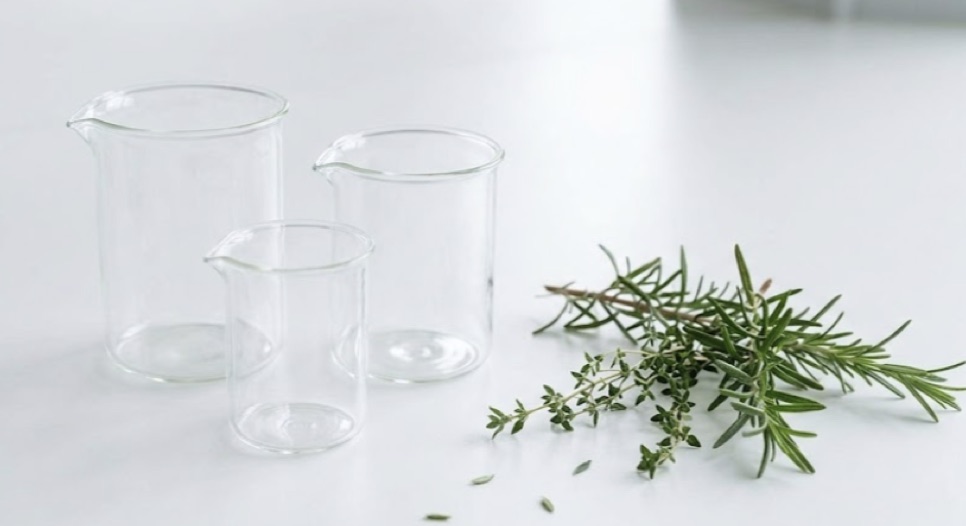
Sulphate and sulphate-free bases behave very differently with botanical complexes. In sulphate bases the surfactant concentration is high, so extracts rich in polyphenols and flavonoids sometimes tend to precipitate. In sulphate-free bases viscosity control is more delicate, because botanical complexes usually contain a small amount of salt or electrolyte, and this can change gelling behaviour. In multi-component formulas such as Greenext's Anti-Dandruff Complex, the picture becomes even more layered. The product contains hop, thyme, garlic, yarrow, burdock root, rosemary, lemon peel, grape seed, baby's breath (Gypsophila paniculata) and apple extracts together, with supporting components such as glycerin, biotin, hyaluronic acid and salicylic acid added. A botanical profile this varied turns the choice of base into a step to be decided by pre-trials rather than at random.
Why the Dosage Range Cannot Be Reduced to a Single Number
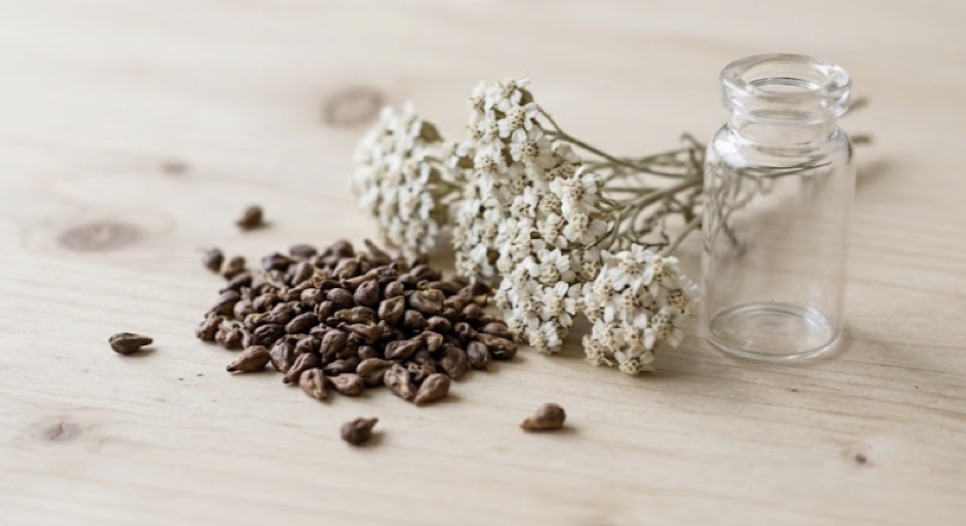
The usage level in botanical complexes is generally between one and five percent, but the exact ratio depends on the rest of the formula. In a formula with high electrolyte content, the same complex can affect viscosity even at a lower ratio. In a low-salt, sulphate-free system, clarity can be preserved even at higher ratios. The range on the technical data sheet is a starting point, and the final ratio is settled by laboratory trials. In a study on a completely herbal shampoo, willow leaf, jujube leaf and liquorice root extracts were formulated together with a natural foaming agent. In other words, using multiple extracts is not only a matter of the active ingredient but also a choice that sets the balance of foam and viscosity. When strongly scented components such as garlic extract come into play, the work becomes more delicate, because the odour masking strategy is directly tied to the dosage.
So is having so many components together really an advantage? Formulators are divided on this. On one hand, a multi-botanical complex offers a wide profile of effect that a single extract cannot provide. On the other hand, every new component adds one more stability variable to the formula. In the end the choice is shaped by the target audience and the production scale of the product, and there is no universal right answer.
Smell and Clarity: Two Critical Details That Are Overlooked
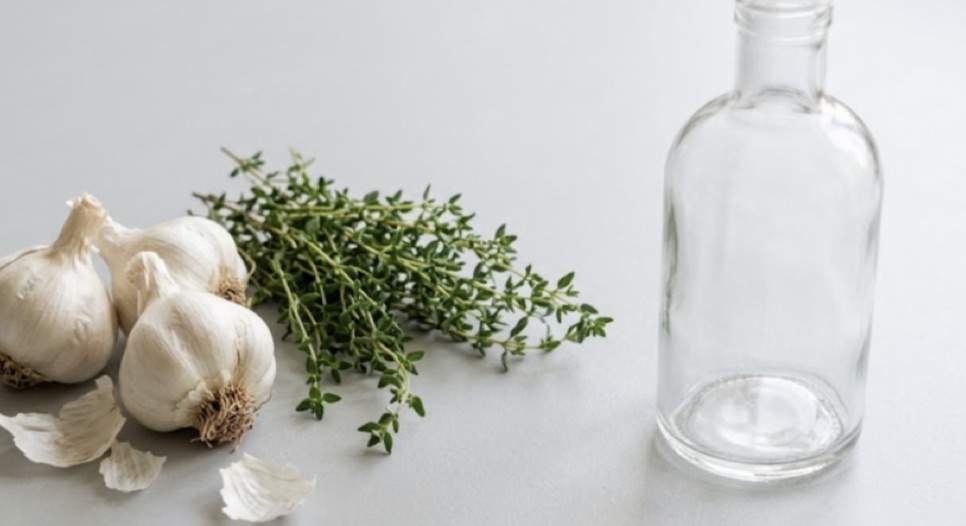
Extracts such as garlic and thyme bring a strong smell profile to the formula. This smell can be masked with fragrance but cannot be removed entirely, so odour testing stands as a separate heading in the product development stage. On the clarity side, extracts with high tannin and flavonoid content, especially grape seed and yarrow, can cause slight cloudiness when combined with water of high hardness. The scientific literature states that dandruff is a multifactorial condition and that Malassezia species are linked to lipase activity on sebum. For the formulator, this is background information that guides the choice of components.
| Complex Type | Common Usage Level | Suitable Product Form | Point to Watch |
|---|---|---|---|
| Antimicrobial-weighted (garlic, thyme) | Low-medium ratio | Shampoo, scalp lotion | Odour masking is needed |
| Antioxidant-weighted (grape seed, apple) | Medium ratio | Shampoo, serum | A clarity test with hard water is essential |
| Soothing-moisturising (baby's breath, rosemary) | Medium-high ratio | Cream shampoo, care treatment | Viscosity balance needs to be monitored |
| Hair-strengthening (burdock root) | Low ratio | Serum, tonic | Interaction with other components needs to be checked |
Frequently Asked Questions
Does an anti-dandruff botanical complex separate in sulphate-free shampoos?
The risk of separation depends on the tannin and flavonoid density of the complex, the hardness of the water and the electrolyte balance in the formula. For this reason every new base combination starts with a small-scale stability test.
How is the smell controlled in a formula containing garlic extract?
The smell cannot be removed entirely, but it can be managed to a large extent through the choice of fragrance, dosage adjustment and packaging type. Storage in a closed system also contributes to smell stability.
**Malassezia and the Botanical Complex: What Is the Relationship?**
Scientific publications show that Malassezia species break down sebum triglycerides through lipase and produce irritating fatty acids on the scalp. This background explains why certain botanical components are frequently preferred in anti-dandruff formulations.
Keeping ten separate botanical extracts in the same bottle takes longer than producing those extracts one by one. In Greenext's Anti-Dandruff Complex the ten plants are dried, ground, extracted with solvent and concentrated by evaporation; the concentrated extract is then prepared in a mixture of glycerin, water, biotin, hyaluronic acid, salicylic acid and preservatives, stirred for a period and filtered clean. The cause of a cloudy shampoo on the shelf is most often not the active ingredient itself but a step skipped somewhere in that chain.
References
Saunders CW, Scheynius A, Heitman J. Malassezia Fungi Are Specialized to Live on Skin and Associated with Dandruff, Eczema, and Other Skin Diseases. PLoS Pathogens, 2012. https://pmc.ncbi.nlm.nih.gov/articles/PMC3380954/
Rasheed A, Shama SN, Joy JM, Ashok Kumar CK, Lee YC. A Completely Polyherbal Conditioning and Antioxidant Shampoo: A Phytochemical Study and Pharmaceutical Evaluation. Journal of Pharmacy and Bioallied Sciences, 2019. https://pmc.ncbi.nlm.nih.gov/articles/PMC6537639/


