

Artichoke Extract: A Polyphenol Reservoir Behind the Bitter Taste
Most of us know that slightly bitter taste of artichoke from the plate. But what is that bitterness actually a sign of, and why does that very taste turn artichoke from an ordinary vegetable into a botanical source that draws industry interest? The answer is hidden in the compounds that give artichoke its character. The concentrated form of these compounds, artichoke extract, is a polyphenol-rich ingredient making a name for itself across sectors from beverages to cosmetics.
A Value Hidden in the Leaf: What Is Artichoke Extract?
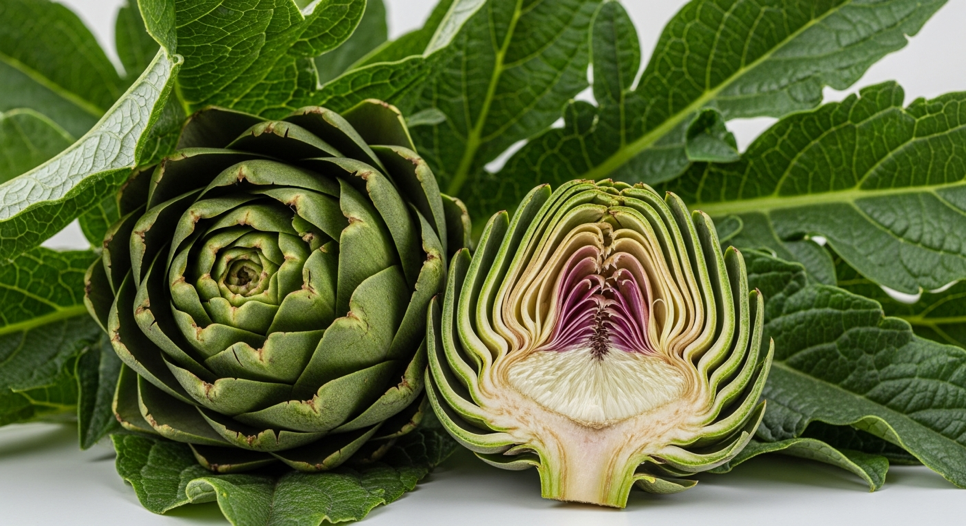
Artichoke extract is a polyphenol-dense concentrate obtained from various parts of the Cynara scolymus L. plant, above all its leaves. The interesting part is this: most of the most valuable compounds are gathered in the leaves, which often do not make it to the plate.
At the center of this profile are a few compounds: cynarin, which gives artichoke its characteristic bitterness, chlorogenic acid, a strong antioxidant, and luteolin-derived flavonoids, above all luteolin-7-O-glucoside (cynaroside). Together they yield a naturally sourced compound with high antioxidant capacity. In other words, artichoke's "bitterness" is not a weakness; it is the signature of its technical value.
From Bitterness to Aroma: Artichoke Extract in Beverages and Food
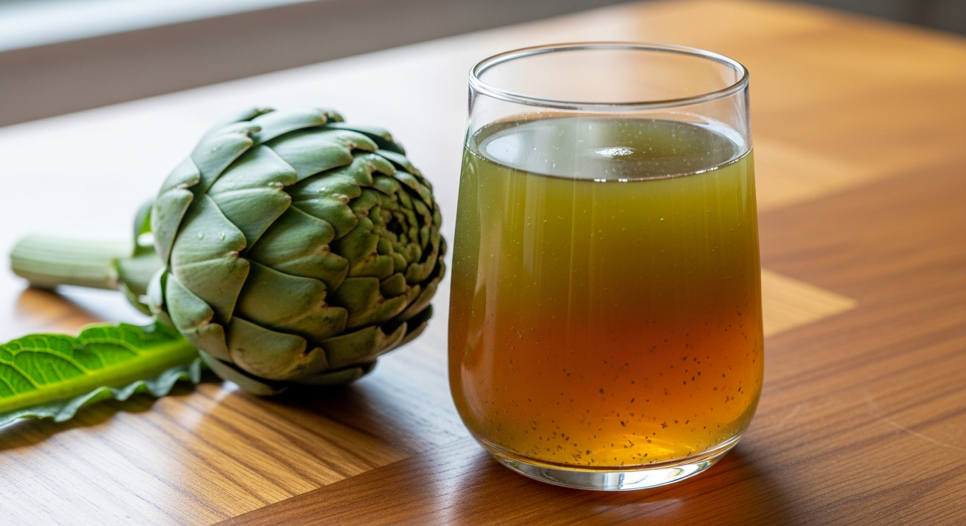
Artichoke's bitter note is no stranger to the beverage world. In the Mediterranean, this plant is often behind bitter aperitifs and bitter-character drinks. Its extract form turns this character into a standard, measurable and repeatable ingredient; and it brings an antioxidant profile along with it.
The main areas where artichoke extract stands out can be summarized as follows:
| Area of use | Function | Highlighted compound |
|---|---|---|
| Bitter / aperitif drinks | Characteristic bitter note | Cynarin |
| Functional drinks and food | Antioxidant polyphenol contribution | Chlorogenic acid, luteolin |
| Functional food formulations | Natural ingredient enrichment | Polyphenols |
There is a thought-provoking detail here. The plant's inedible outer leaves and stems that emerge during artichoke harvest are mostly seen as waste. Yet the densest polyphenols are hidden in those very parts considered "useless". So how does a vegetable's by-product become its most valuable side? The answer is in changing perspective: when processed properly, a by-product can turn into a high value-added raw material.
Beyond the Plate: Supplements, Cosmetics and Production
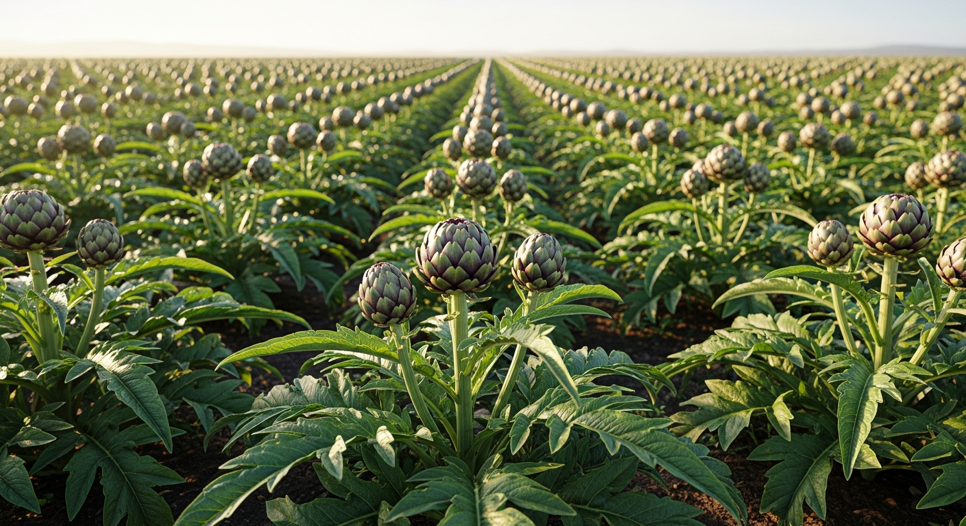
Artichoke's use is not limited to the table and the glass. On the supplement side, it is evaluated as a botanical active in formulations with an antioxidant profile from its high polyphenol content. In cosmetics, it draws interest as a naturally sourced ingredient with its antioxidant properties.
Because the cynarin and polyphenol content of a natural ingredient varies with cultivar, climate and harvest, the real issue is turning this variability into a consistent raw material. The step that makes artichoke valuable in Greenext's production approach: turning the variable bitterness on the plate into a measurable polyphenol profile.
Frequently Asked Questions (FAQ)
What gives artichoke its bitter taste?
The main compound responsible for this characteristic bitterness is a polyphenol called cynarin. The same compound plays an important role in both artichoke's taste profile and its antioxidant value.
Why is artichoke extract used in the beverage sector?
Because its bitter character traditionally matches aperitif and bitter drinks; the extract form offers this taste in a standard and repeatable way while adding an antioxidant profile.
References
- Functional and Therapeutic Potential of Cynara scolymus. Nutrients, 2024. https://pmc.ncbi.nlm.nih.gov/articles/PMC10974306/
- Globe Artichoke (Cynara scolymus L.) By-Products in Food Applications: Functional and Biological Properties. Foods, 2024. https://pmc.ncbi.nlm.nih.gov/articles/PMC11119529/


