

Black Tea Extract: The Essence of the Chemistry That Darkens the Leaf
Green tea and black tea come from the leaves of the same plant; so why does one stay pale green while the other turns into a dark, malty beverage? The chemistry behind this difference is also what makes black tea extract a sought-after raw material across many sectors.
From Leaf to Extract: What Is Black Tea Extract?
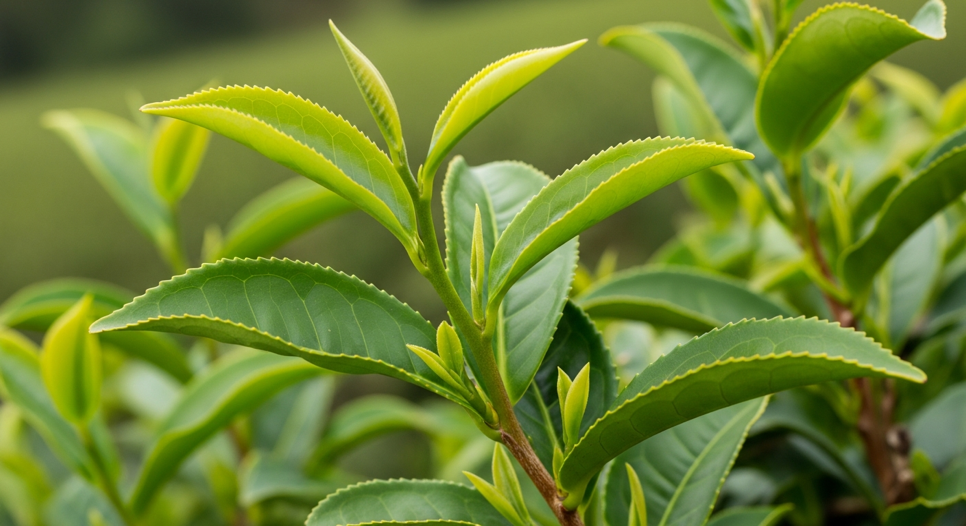
Black tea extract is a natural botanical extract obtained from the leaves of Camellia sinensis. Its difference from green tea lies not in the plant but in the processing: as the leaves are left to oxidize (the process commonly called fermentation), their color deepens and they gain their characteristic aroma. Depending on the production method, the extract can be made in liquid or powder form; both forms carry the intense tea aroma and characteristic color. So what compounds lie behind this dark color?
Color and Compound: What Is Inside Black Tea Extract?
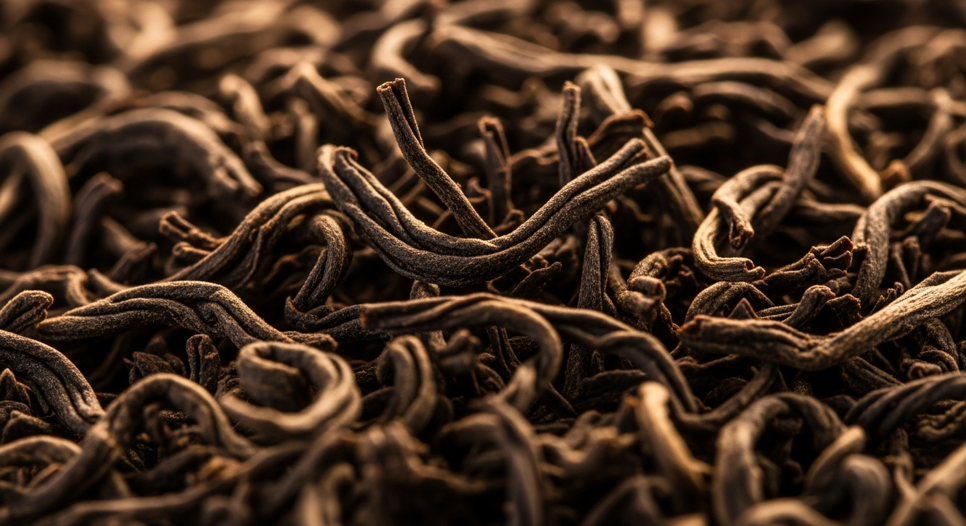
The fresh tea leaf is rich in polyphenols called catechins. During oxidation, most of these catechins are transformed; one study measured that, moving from fresh leaf to black tea, total catechins and some catechin types decreased markedly. The new compounds that emerge are polyphenols such as theaflavins and thearubigins, which give black tea its dark color and malty note. Tea polyphenols are compounds studied for their antioxidant capacity, which makes black tea extract interesting on both the beverage and cosmetic sides. In short, the character of black tea extract arises less from the leaf itself than from the oxidation the leaf undergoes.
| Dimension | Green Tea | Black Tea |
|---|---|---|
| Processing | Not oxidized | Oxidized |
| Dominant polyphenol | Catechins | Theaflavins and thearubigins |
| Color and aroma | Pale, grassy | Dark, malty |
| Source plant | Camellia sinensis | Camellia sinensis |
From Beverage to Cosmetics: Where Is Black Tea Extract Used?
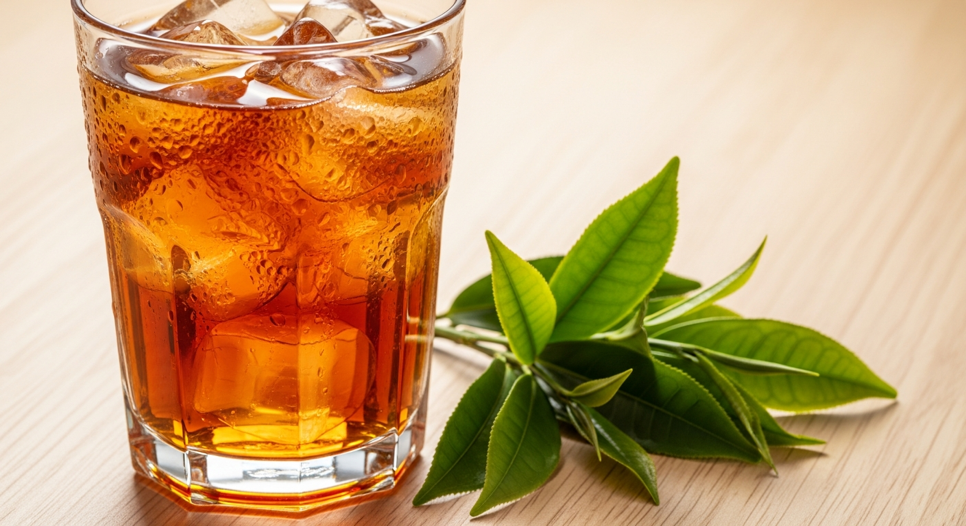
Black tea extract is preferred in many sectors where interest in natural ingredients is growing. On the food and beverage side it is evaluated in functional beverages, iced teas, dietary supplement formulations and herbal tea blends. On the cosmetic side it appears in skin care products, shampoo and hair care products, and personal care applications. Its intense aroma and characteristic color make it both a sensory and a functional addition. If you are developing an iced tea or a hair care product, black tea extract can be evaluated in liquid or powder form; not as a promise of a definite result, but as a raw material that adds a tea character and a polyphenolic profile to the formula. Greenext produces black tea extract in liquid or powder form according to customer demand, with technical properties suited to different application areas.
Frequently Asked Questions (FAQ)
Are black tea extract and green tea extract the same thing?
Both come from the same plant, Camellia sinensis. The difference is oxidation: green tea is not oxidized and catechins remain dominant; black tea is oxidized, during which compounds such as theaflavins and thearubigins form, and the color and aroma change.
Is black tea extract liquid or powder?
Depending on the production method, both are possible. Liquid and powder forms allow flexible use across different sectors, and both carry the intense tea aroma.
Is black tea extract a medicine or a treatment product?
No. Black tea extract is a botanical raw material used in food, beverage and cosmetic formulations; it is not regarded as a medical product or a treatment method.
References
- Changes in major catechins, caffeine, and antioxidant activity during CTC processing of black tea from North East India. RSC Advances, 2021. https://pmc.ncbi.nlm.nih.gov/articles/PMC8695946/
- Applications of Tea (Camellia sinensis) and Its Active Constituents in Cosmetics. Molecules, 2019. https://pmc.ncbi.nlm.nih.gov/articles/PMC6930595/


