

How Do You Choose the Right Botanical Raw Material?
A Comprehensive Guide for Purchasing and R&D
A product's success often starts not in the formula but in the raw material. One of the most common mistakes in product development is evaluating the raw material on cost alone. Yet raw material selection is more than a technical decision that determines product performance; it is a strategic step that directly affects the brand's position in the market.
While many companies focus on formula development, they do not question the quality, consistency and production process of the raw material in use enough. Even if this goes unnoticed at first, over time it leads to fluctuations in product performance and problems in production processes.
In today's competitive market, successful products emerge from raw materials that are chosen correctly, sourced sustainably and technically reliable. For this reason, raw material selection is not only a purchasing matter; it is a critical process that R&D, quality and production teams evaluate together.
Why Is Raw Material Selection Critical?
The raw material is not only a product's starting point; it is the foundation of the entire performance chain. The quality of the raw material in use directly determines the product's efficacy, stability and shelf life.
Inconsistent raw materials can disrupt formula stability, lower the expected performance and cause fluctuations in product quality. This is not only a technical problem; it directly affects customer satisfaction and brand trust.
In companies that manufacture for B2B markets in particular, even small changes in quality can turn into large business losses. For this reason, raw material selection is also part of commercial risk management.
What Are the Most Common Problems?
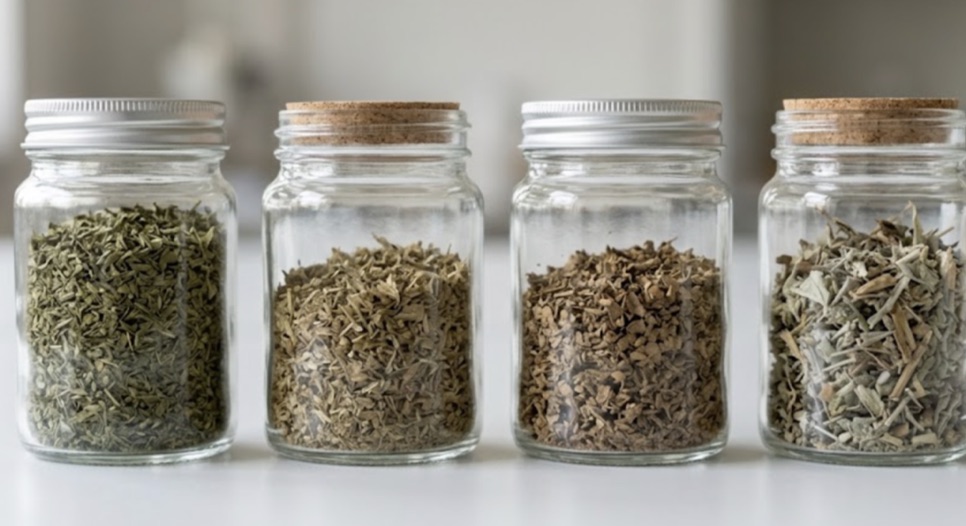
Mistakes in raw material selection often go unnoticed at the first stage. Problems usually surface after production has started, and from that point on the solution becomes more costly.
Batch Variation
When the natural variability seen in botanical raw materials is left uncontrolled, product standardization breaks down. The same product behaving differently across different productions makes quality processes harder and leads to a loss of trust on the customer side.
Stability Problems
Raw materials that are not stable within a formula can cause structural breakdown, phase separation or loss of performance over time. This creates both technical and commercial risk.
Formula Revisions
A wrong raw material choice requires the formula to be reworked. That means lost time, higher costs and a delayed launch.
Misalignment Between Processes
When purchasing and R&D teams act on different priorities, it can lead to wrong choices and inefficient processes.
Problems that stem from raw materials are usually noticed late and directly affect the relationship between the brand and its customers. For this reason, choosing the right raw material is less about solving problems than about preventing them from the start.
What Should the Purchasing Side Pay Attention To?

The purchasing process is not only about cost; it is also a risk management process. Correct choices secure production continuity and product quality, while wrong decisions can put the whole process at risk.
The Limits of a Price-Focused Approach
Although choices based on price alone may offer an advantage in the short term, in the long term they can lead to quality fluctuations and production losses. For this reason, the evaluation needs to rest on total impact.
Supply Continuity
Failing to ensure continuity in supply directly affects production plans and delivery processes. That is why the supplier's capacity and operational structure need careful evaluation.
Certificates and Compliance
A raw material's compliance with sector standards and its possession of the necessary certificates are critically important, especially in international markets.
Traceability
When the source of the raw material and its production process are transparent, this provides quality assurance and makes risks easier to control.
The Critical Question for Purchasing
The basic question in the purchasing process is this: Can this raw material deliver the same quality in every production run? Where no clear answer can be given to this question, the selection is reassessed.
What Should the R&D Side Pay Attention To?

For R&D teams, raw material selection is a technical process that directly determines the formula's performance and stability. For this reason, the evaluation needs to be multi-dimensional.
Formula Compatibility
The selected raw material needs to be compatible with the formula structure. Incompatible ingredients can lead to stability problems and performance losses.
Solvent Structure
The raw material's carrier system needs to be compatible with the formula. Otherwise, phase separation and structural breakdown can occur.
Active Ingredient Ratio
The active components a raw material contains determine product efficacy. An inconsistent composition can cause performance fluctuations.
Stability
The raw material's behavior over time needs to be evaluated. Ingredients that are not stable negatively affect product performance and shelf life.
The R&D Perspective
The basic approach for R&D teams is this: Can this raw material show the same performance throughout the product's entire life cycle? Without a clear answer to this question, the process is not considered complete.
How Is the Right Supplier Chosen?
Another factor as important as the raw material is the right supplier. A supplier is not only someone who provides a product, but a business partner that supports the process.
Production Process
The supplier's production structure needs to be controlled, compliant with standards and sustainable. A production process that is not transparent creates a risk in terms of quality.
Quality Control
Every production batch needs to be analyzed and its compliance with quality standards verified. Otherwise, product standardization breaks down and production risk increases.
Technical Support
A good supplier does not only offer a product, but also provides technical support. This support creates an important advantage for choosing the right product and managing the process.
Long-Term Partnership
Supplier selection is considered a long-term decision, not a short-term one. Reliability, sustainability and quality of communication are the deciding factors in this process.
The Greenext Approach
At Greenext, we treat raw materials not simply as a product, but as a holistic process.
Contract Manufacturing
By keeping the source of the raw material under control, we ensure continuity of quality.
Traceable Production
We offer transparency and traceability across all production processes.
Stable and Reliable Content
By maintaining consistency between batches, we deliver sustainable quality.
B2B-Focused Support
By providing technical support to purchasing and R&D teams, we support sound decision-making processes.
Choosing the right botanical raw material is a critical step that improves product performance, optimizes production processes and strengthens brand trust. This process is not only a purchasing decision but a strategic partnership. To identify the most suitable raw materials for your project and to build a sustainable structure, you can get in touch with us.
References
European Food Safety Authority (EFSA), safety assessments of botanical ingredients and Novel Food guidance
European Commission, Regulation (EU) 2015/2283 (Novel Foods Regulation)
Codex Alimentarius, food safety and raw material quality standards
World Health Organization, guidelines on the safe use of botanical ingredients


