

Coffee Extract: Same Bean, Two Different Profiles
Can two entirely different extracts, one high in antioxidants and one rich in caffeine, come from the same coffee bean? And why does roasting the bean reduce its most valuable antioxidant? The coffee extract behind cold brew, energy drinks and milk-based coffee beverages is the technical answer to these questions: the soluble part of coffee, concentrated and standardized.
What Makes Coffee, Coffee? What Is Coffee Extract?
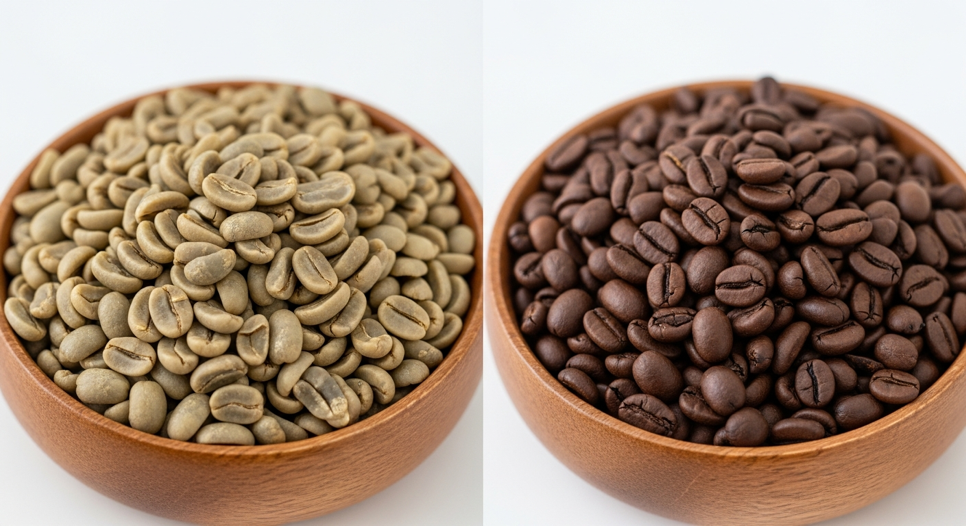
Coffee extract is obtained from the water-soluble part of Coffea arabica beans. The real work is bringing together, in a standard way, the compounds that give a cup its character.
Two of these compounds come first. Caffeine is coffee's best-known and stimulating side. Chlorogenic acids are polyphenols that have been the subject of research for their antioxidant properties. The interesting part is that their ratios reverse with roasting: in a measured study the highest chlorogenic acid was found in green (unroasted) coffee at 543.23 mg/L, while the highest caffeine was in medium roast at 203.63 mg/L; as roasting increases, chlorogenic acid drops. So the same bean serves two separate purposes depending on how it is processed.
The Unseen Ingredient on the Beverage Shelf
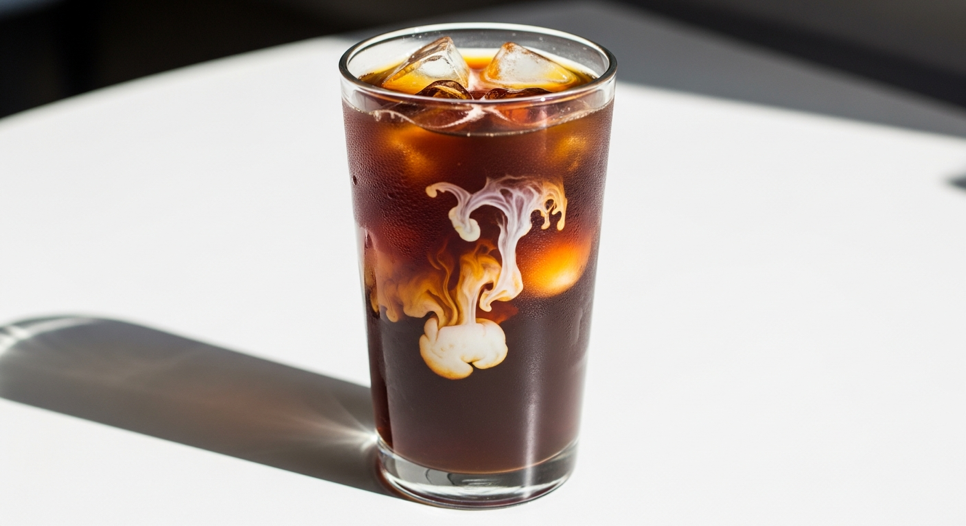
Most of the ready-to-drink coffees we consume are not actually brewed coffee but built on extract. The reason is quite practical: extract is more stable than brewing, its dosage is precise and its shelf life is long. It also removes the brewing and filtering step that slows the production line.
| Beverage form | Purpose of use | Highlighted compound |
|---|---|---|
| Ready-to-drink / cold coffee (RTD) | Consistent taste + caffeine | Caffeine, aroma |
| Functional / energy drink | Standard caffeine contribution | Caffeine |
| Milk / plant-based beverage | Aroma + antioxidant enrichment | Chlorogenic acid |
Here is the intriguing side: the more you roast coffee, the deeper its aroma becomes, but the antioxidant chlorogenic acid decreases. So "darker" does not always mean "stronger". So which does a producer choose? It depends entirely on the purpose; green coffee works in a product that highlights antioxidant content, while roasted coffee extract works in a beverage where a caffeine contribution is wanted. When caffeine is involved, dosage also matters: EFSA considers up to 400 mg of caffeine per day and 200 mg in a single intake safe for healthy adults, and this is a good reference in portion planning.
Beyond the Cup: Supplements, Cosmetics and Production
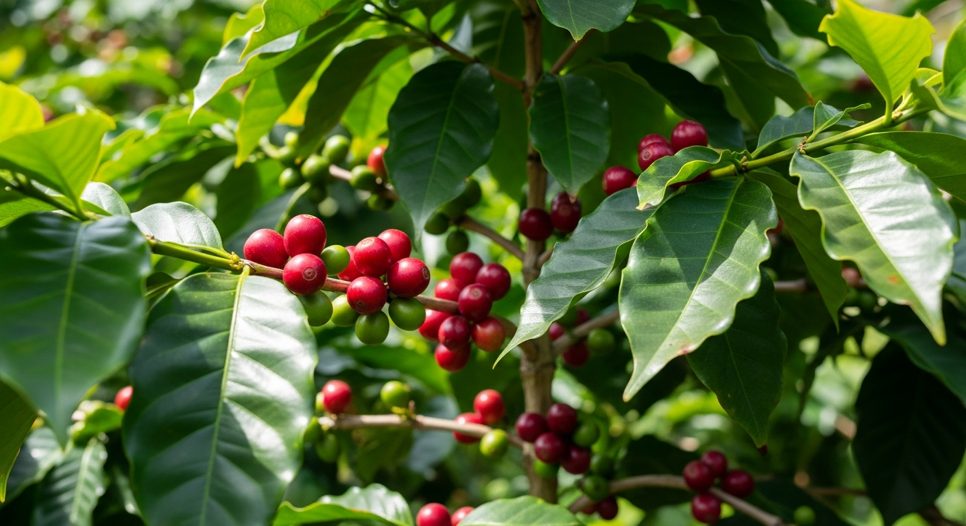
Coffee extract does not stay only on the beverage shelf. On the supplement side, green coffee extract in particular finds a place in various formulas. In cosmetics, it is used as a botanical ingredient depending on the product type.
Frequently Asked Questions (FAQ)
What is the difference between green and roasted coffee extract?
The difference is in the compound profile. Green (unroasted) coffee contains more chlorogenic acid; roasting reduces this amount, while the aroma and caffeine profile comes forward. For this reason green coffee is preferred in antioxidant-focused products, and roasted coffee in aroma- and caffeine-focused beverages.
How is the caffeine dose in a beverage planned?
Caffeine per portion is determined considering the target consumer and the relevant food regulations. EFSA's thresholds of 400 mg per day and 200 mg per single dose are a good starting reference here.
References
- Quantification of Caffeine and Chlorogenic Acid in Green and Roasted Coffee Samples Using HPLC-DAD. Molecules, 2021. https://pmc.ncbi.nlm.nih.gov/articles/PMC8705492/
- EFSA, Caffeine (European Food Safety Authority, official topic page). https://www.efsa.europa.eu/en/topics/topic/caffeine


