

Fennel Seed Hydrosol: A Natural Raw Material for Cosmetic and Aromatic Products
Fennel seed hydrosol is the aromatic plant water obtained during the steam distillation of Foeniculum vulgare seeds. It has the sweet, lightly spiced odour profile reminiscent of anise that is particular to fennel. Being lighter in aroma than the essential oil and water-based, it offers ease of use in different formulations.
The fennel plant belongs to the Apiaceae family, that is the parsley family. While its seeds have traditionally been used in food and herbal tea applications, the hydrosol obtained by distillation can be used in cosmetic, personal care and aromatic product formulations.
How Is Fennel Seed Hydrosol Obtained?

During the steam distillation of fennel seeds the volatile constituents present in the plant are carried along by the water vapour. After cooling, an essential oil and an aromatic water phase form. The product remaining in the water phase, containing the water-soluble aromatic constituents, is called fennel seed hydrosol.
A hydrosol is not a product obtained by simply mixing fennel essential oil with water. It is a natural product of the distillation process and contains aromatic constituents at a lower concentration than the essential oil.
Odour and Sensory Properties
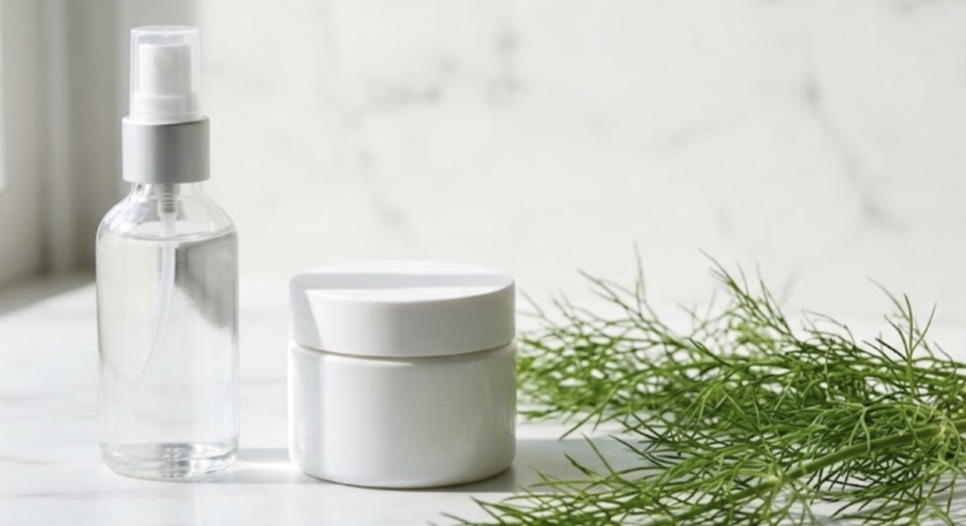
Fennel seed hydrosol has a sweet, herbaceous, lightly spiced and anise-like odour character. This distinctive profile can give formulations a natural and fresh botanical identity.
It can be used in particular alongside the following odour groups:
- Fresh herbal notes such as mint and lemon balm
- Citrus notes such as lemon and orange
- Soft floral notes such as lavender and chamomile
- Aromatic notes such as sage and rosemary
The odour of the product may vary depending on the fennel variety used, the growing conditions, the harvest period and the distillation parameters.
Use in Cosmetic Products
Thanks to its water-based structure, fennel seed hydrosol can easily be adapted to different cosmetic formulations. It can be used in products intended to support a clean, fresh, moisturised and well-cared-for appearance of the skin.
Its main fields of use are as follows:
- Facial sprays and mist products
- Toners and cleansing waters
- Serums, masks and moisturisers
- Body sprays and care lotions
- Shampoos and hair tonics
- Hair and scalp care sprays
- Liquid soaps and shower gels
In facial spray and toner formulations it can create a fresh and clean feeling on the skin. In masks and moisturisers it can support a botanical ingredient concept. In hair care products it can be used in formulations aimed at a cleaner and better-cared-for appearance of the scalp.
Beverage and Food Applications
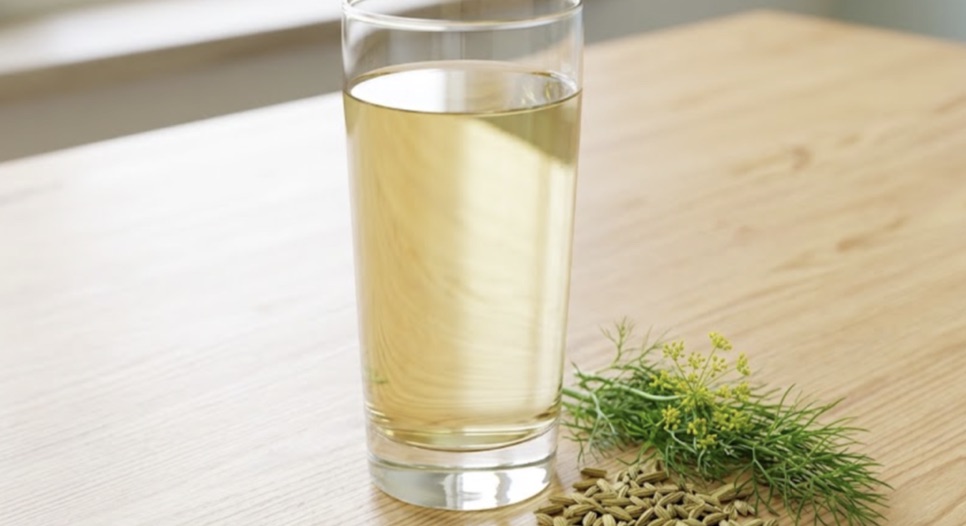
Grades of fennel seed hydrosol produced to food-suitable quality can be used in herbal teas, flavoured waters, fruit-based beverages and similar products to create a natural aroma profile.
However, not every cosmetic-grade hydrosol is suitable for use in food. A product to be used in food applications must be of food grade, and the conformity of its microbiological, chemical and sensory properties with the relevant food legislation and product specifications must be verified.
The amount used should be determined through sensory trials according to the aroma intensity of the hydrosol and the intended taste profile of the final product.
What Is the Difference Between Essential Oil and Hydrosol?
Fennel seed essential oil is a concentrated, oil-based raw material. A hydrosol is the water-based product formed during distillation, carrying volatile constituents at a lower concentration.
A hydrosol therefore:
- has a lighter odour profile.
- can be used more easily in water-based formulations.
- offers a softer sensory character than the essential oil.
- can additionally reduce the need for a solubiliser in the formulation.
Alongside this, because hydrosols are water-based they are more sensitive to microbiological spoilage than essential oils.
Points to Consider in Formulation
Before fennel seed hydrosol is used, the product's technical data sheet, INCI name, microbiological properties, preservative system and recommended use level should be examined.
The following points should be taken into account during formulation development:
- The pH value of the final product should be checked.
- The adequacy of the preservative system should be verified by challenge testing.
- Stability and packaging compatibility tests should be carried out.
- Changes in odour and colour should be monitored.
- Only food-suitable grade should be used in food applications.
- The cosmetic claims to be used should be supported by finished product testing.
The hydrosol should be stored in a cool, dry place away from direct sunlight, in its tightly closed packaging. After the packaging is opened, hygienic conditions of use should be maintained so that the product is not microbially contaminated.
Conclusion
Greenext Fennel Seed Hydrosol is a natural raw material that, with its characteristic aroma, water-based structure and versatile applicability, can be used in cosmetic and personal care products and, under suitable quality conditions, in aromatic food applications.
From facial sprays to toners and from hair care products to flavoured beverages, it can contribute to the development of different product concepts. For a successful application it is important that the technical properties of the product, the intended field of use and the legislation covering the final product are evaluated together.
For technical information, the product file and sample requests regarding Greenext Fennel Seed Hydrosol, you can get in touch with Greenext.


