

Get to Know Almond Extract
Almond can be evaluated in cosmetic product development in the form of different raw material types. Almond extract is also one of the options that manufacturers wishing to include botanical ingredients can examine. However, to understand the extract correctly, it is necessary to look not only at the name “almond” but also at the plant part used and the production method.
Which Plant Is Almond Extract Obtained From?
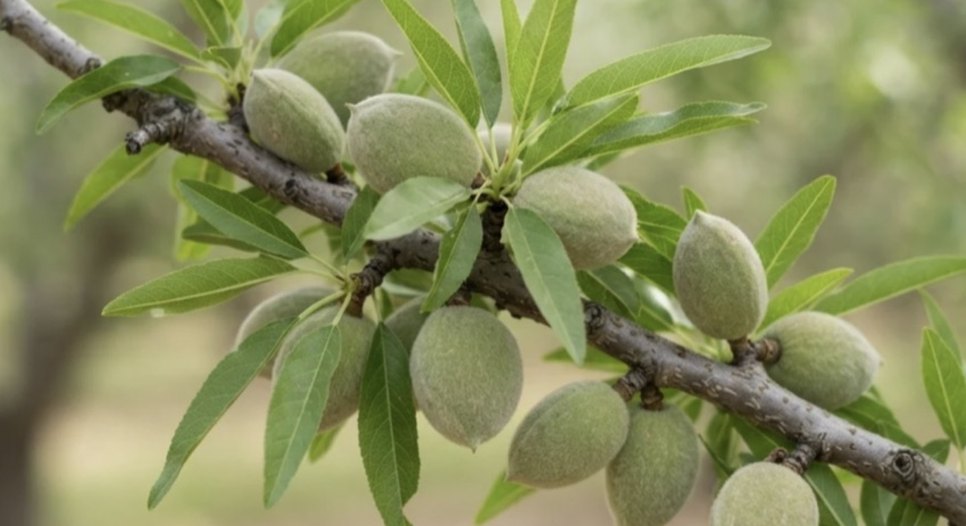
In cosmetic ingredients, you may come across the name Prunus amygdalus dulcis, which is associated with the sweet almond tree. There are cosmetic raw materials obtained from different parts of this plant. For example, Prunus Amygdalus Dulcis Fruit Extract is an extract obtained from the fruit, while Prunus Amygdalus Dulcis Oil is an oily raw material obtained from almond seeds.
For this reason, the product's botanical name, the plant part used and the INCI name should be checked in the supplier's documents. The expression “almond extract” alone does not explain all the properties of the raw material.
What Determines the Properties of the Extract?
The physical form of the extract and its behaviour in the formulation may vary depending on the plant part used, the extraction method, the solvent system and the carrier components. This information helps to understand in which product types the raw material can be evaluated.
When examining the raw material, the following information provides guidance:
- Botanical name and plant part used
- Extraction method and solvent system
- Carrier components and physical form
- Certificate of analysis and technical documents
- Storage conditions and batch information
How Can It Be Evaluated in Cosmetic Formulations?

The use of almond extract in products such as creams, lotions, gels or serums depends on its solubility, its carrier system and its compatibility with the other components in the formula. The usage amount and its role in the formula should not be determined based on the plant name alone.
During product development, properties such as colour, odour, pH, stability and compatibility with the preservative system should be examined. For almond-derived raw materials, the allergen and safety information provided by the supplier should also be evaluated in line with the intended use of the product.
The Difference Between Almond Extract and Almond Oil

Almond extract and almond oil are different raw materials. The extract is obtained from a specific part of the plant using a suitable method, while almond oil is an oily raw material. COSMILE Europe also defines the ingredient Prunus Amygdalus Dulcis Oil as a plant oil.
The compositions of these products and the way they are used in a formula may differ. For this reason, the type, INCI name and technical properties of the raw material to be used should be clearly specified.
Towards the Formulation with the Right Raw Material Choice
When its technical properties are suitable, almond extract can be evaluated in botanical cosmetic product development work. Getting to know the raw material starts with checking the botanical name, the plant part used and the production information. Its suitability within the formula is determined through evaluations and tests carried out specifically for the final product.
To receive technical information about almond extract and evaluate it in your product development work, you can contact Greenext.


