

Ginseng Extract: The Value of a Traditional Plant in Modern Formulations
Used in Asia for centuries, ginseng is today one of the best-known botanical raw materials, evaluated across many different fields from food supplements to functional foods, from cosmetics to personal care products. At the basis of this wide range of uses lies not the plant itself so much as ginseng extract, obtained through controlled production processes.
What Is Ginseng Extract?
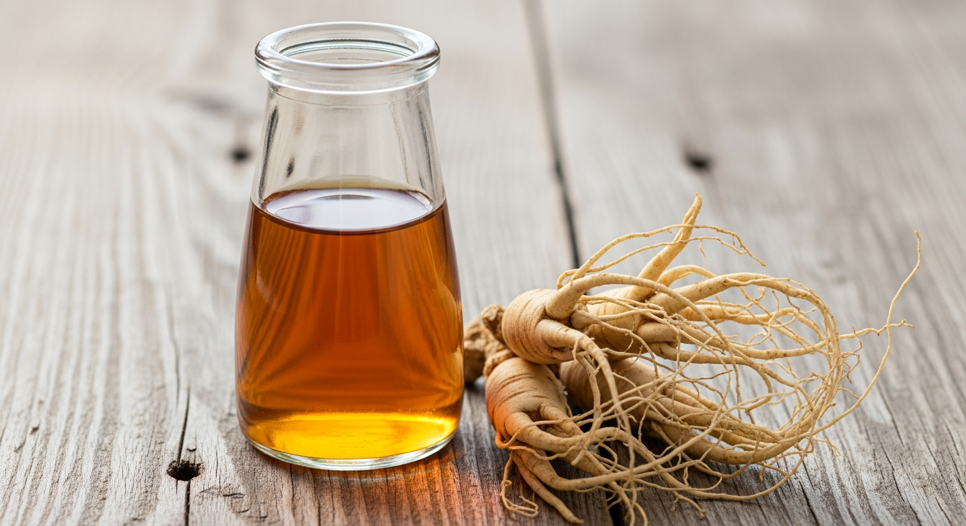
Ginseng extract is a botanical raw material obtained through suitable extraction methods from the roots of different ginseng species, foremost Panax ginseng. The solvent system used in the production process (water, hydroalcoholic system or glycerine-based solvents) and the extraction parameters are determined according to the intended use of the extract.
Prominent Components of Ginseng
Ginseng root naturally contains many different phytochemical components. Among these, the group that attracts the most attention is the ginsenosides.
The main components that can be found in ginseng extract are:
- Ginsenosides (Rb1, Rg1, Re, Rc and similar)
- Polysaccharides
- Amino acids
- Peptides
- Phenolic compounds
- Traces of vitamins and minerals
In product specifications, the total ginsenoside ratio (5%, 10%, 20%, 80%, etc.) is generally stated as a standardisation criterion.
Where Is Ginseng Extract Used?
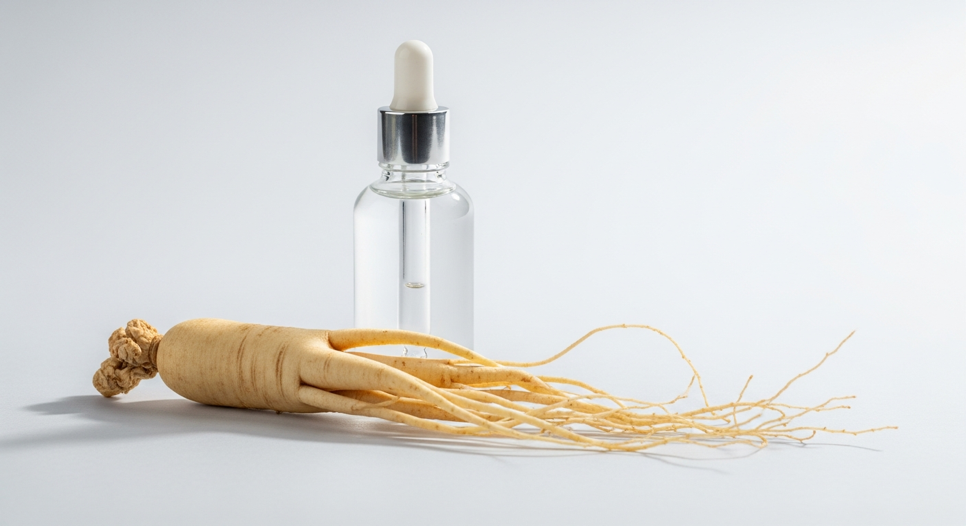
Ginseng extract is a versatile botanical raw material widely used in different sectors.
Food Supplements
One of the most common areas of use.
- Sachet
- Stick pack
- Liquid supplement
- Shot products
Functional Food and Beverages
Ginseng extract can be preferred in the following product groups:
- Energy drinks
- Herbal beverages
- Functional teas
- Ready-to-drink concentrates
- Nutritional blends
The amount of use should be determined according to the product formulation and target market.
Cosmetics and Personal Care
Ginseng extract is also frequently encountered in the cosmetics sector.
Example areas of use:
- Face serums
- Anti-aging creams
- Moisturisers
- Eye-area products
- Shampoos
- Hair care tonics
- Hair serums
- Men's care products
Water-based, glycerine-based or hydroglycolic extract forms can adapt to different cosmetic systems.
Why Is Standardisation Important?
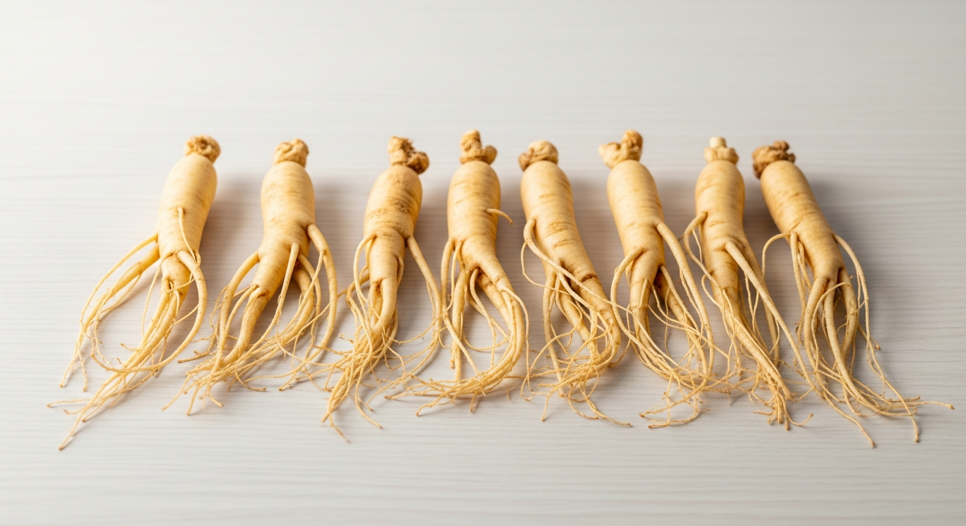
In botanical raw materials, many factors such as climate, harvest time, growing conditions and the age of the plant can affect the natural composition.
For this reason, professional producers aim to provide more consistent quality by standardising their extracts over specific active components.
Thanks to standardisation;
- More homogeneous production can be achieved.
- Batch differences can be reduced.
- The formulation development process can be made easier.
- Quality control processes can be carried out more effectively.
What Should Be Considered When Choosing a Ginseng Extract?
When choosing a quality ginseng extract, the following criteria should be evaluated:
- Clear statement of the botanical name (Panax ginseng, etc.)
- Statement of the plant part used (root)
- Standardisation ratio
- Extract ratio (Extract Ratio)
- Solvent system
- Microbiological suitability
- Pesticide and heavy metal controls
- Solvent residue analyses
- Suitable technical documentation (TDS, COA, MSDS, etc.)
This information helps in selecting the right raw material during the product development process.
Greenext Ginseng Extract Solutions
As Greenext, we offer various ginseng extract solutions for the needs of different sectors.
Our product portfolio includes;
- Liquid extracts
- Water-based extracts
- Glycerine-based extracts
- Hydroglycolic extracts
- Custom standardised extract options upon customer request
While quality, traceability and technical documentation are kept at the forefront in our production processes, we focus on developing solutions suitable for food, cosmetic and industrial applications.
Conclusion
Ginseng extract is a valuable botanical raw material that brings together traditional use with today's production technologies. Thanks to a standardised production approach, it can contribute to the development of reliable and consistent formulations in different sectors.
The right extract choice should be made by evaluating the botanical source, standardisation level, production method and quality documents together. In this way, both quality continuity and process compatibility can be managed more effectively in the developed products.


