

What Does a Halal Certified Botanical Extract Mean, and What Changes on the Production Line?
If a raw material comes from a plant from beginning to end, is halal compliance taken to follow automatically? The most common misconception on the halal certified botanical extract side rests on exactly this assumption. The plant species does not usually sit at the centre of the discussion, although species that go into intoxicating beverage production or are classified as harmful fall outside that generalisation. The real question remains: which substances come into play while the extract is being obtained, and which line does the extract pass through.
Where Does the Question Come From When No Animal Input Is Visible
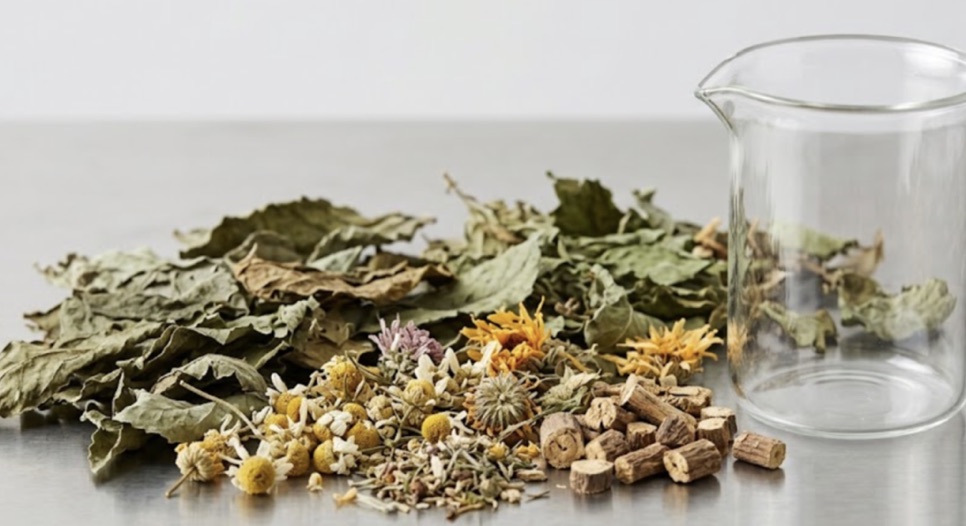
A halal assessment is not confined to the final state of the product; it also covers how that state was reached. Even when animal input is not visible at first glance in a botanical extract, several points of contact in the chain can render the status debatable: the extraction solvent, processing aids, carrier and filler substances, lubricants on the inner surface of the packaging, and line cleaning chemicals.
For cosmetic raw materials this framework is set by the OIC/SMIIC 4:2018 Halal Cosmetics standard; the text is not a list of ingredients but a body of general requirements for a cosmetic product. On the food side the counterpart is the OIC/SMIIC 1 Halal Food standard; the logic remains shared: the document covers the process a molecule has passed through as much as its identity. The scope is narrow as well; boundaries are defined through a particular product and a particular production site, some schemes issue additional batch-based documents, meaning the certificate does not bind a company as a whole.
Ethanol, Glycerine and Every Solvent Whose Origin Is Questioned
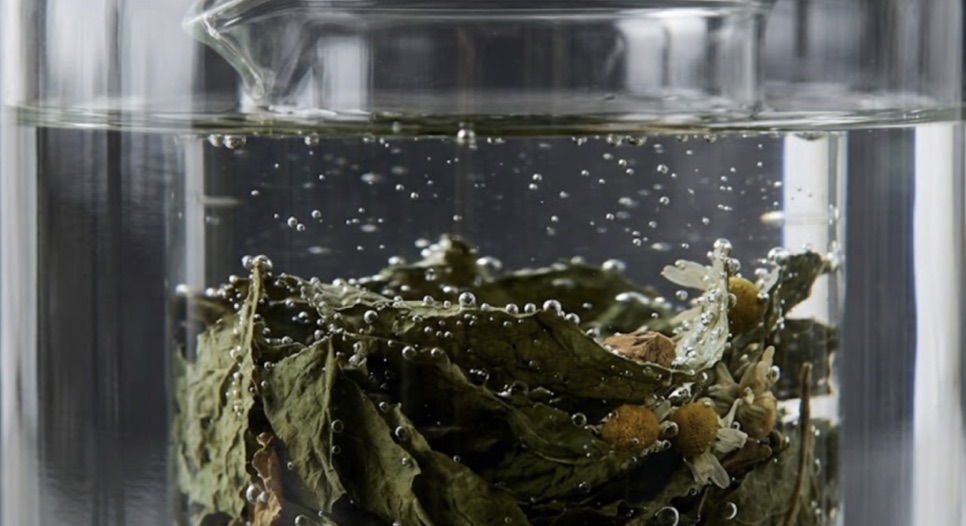
Ethanol is a widespread solvent in botanical extraction, because by adjusting polarity it draws out a broad group of constituents; it is also the item that generates the most questions in a halal assessment. The discussion does not reduce to a single sentence: is the ethanol synthetic in origin or does it come from fermentation, does it have any link to the alcoholic beverage chain, does residue remain in the final product. Because certification bodies do not give these questions equal weight, a single extract may proceed without issue in one market while meeting a request for additional documents in another.
Water, glycerine, supercritical CO2 and oil-based maceration therefore come up frequently. The counter-example appears immediately: a producer moving from ethanol to glycerine, without accounting for the fact that glycerine can be a derivative of animal fat, enters a more roundabout question of origin. A similar knot is seen in Vitis vinifera seed extract; whether the input comes from a side stream of wine production is asked separately. Does changing the solvent close the question, or does it merely move the question's address? What is apparent is that halal compliance works through traceability rather than through a list of substances.
Cross-Contamination, Line Separation and the Real Limit of the Certificate
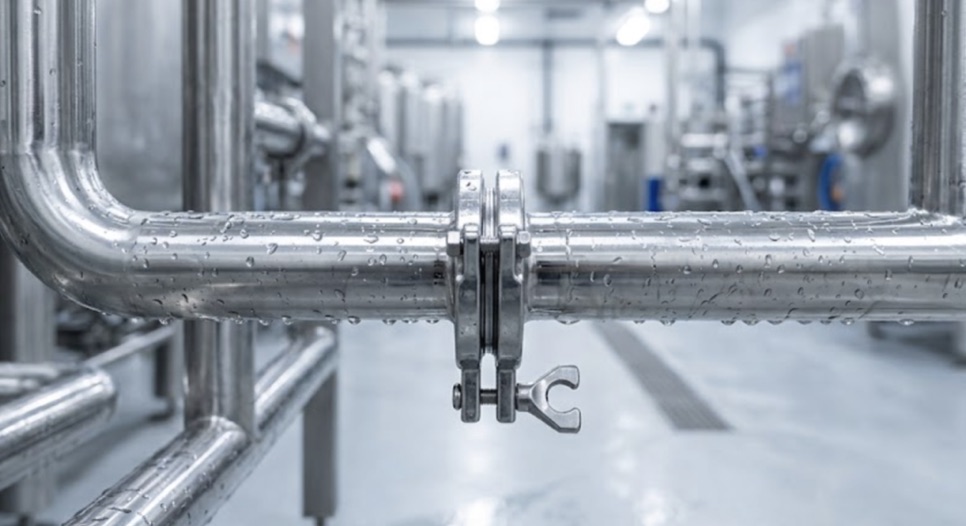
The second axis is the physical environment in which the extract is produced. In a multi-product facility, if the extractor, filter press and transfer line are used in turn for different formulations, halal status cannot be read by looking at the formulation alone. At this point production planning, cleaning verification and record keeping move to the centre of the audit. Some facilities set up fully segregated lines, others proceed through campaign production and cleaning validation; the documentation burdens differ.
| Process step | Point questioned from a halal perspective | Record examined in the audit |
|---|---|---|
| Extraction solvent | Source of the ethanol, residue status | Supplier declaration, analysis report |
| Processing aids | Gelatine-based clarifier, animal-derived filter aid | Specification and certificate of origin |
| Line cleaning | Content of the chemical, rinse verification | Cleaning validation records |
| Storage and dispatch | Separate stock area, mixed loading risk | Batch tracking and dispatch records |
In an export file the cleaning and dispatch records carry an extra layer of weight, because the certification body recognised by the target market and the body the producer works with do not always coincide. In Türkiye the only institution authorised to accredit halal conformity assessment bodies is the Helal Akreditasyon Kurumu. Under Law No. 7060 the assessment itself is treated as voluntary; for products to be placed on the domestic market that fall within the institution's accreditation scope, the body carrying out the assessment is required to be accredited by that institution or by an institution authorised through a mutual recognition agreement. The requirement does not apply to activities directed at export, provided the products are not placed on the domestic market.
What gathers all of these headings under one roof is traceability: if the origin of the solvent, the equipment history of the batch and the cleaning verification can be linked to one another, the halal assessment rests on concrete ground, and as that link breaks the certificate narrows the area it represents. At Greenext, which line and which solvent a batch will pass through in botanical extract and essential oil production is determined in advance in the production plan.
Frequently Asked Questions (FAQ)
Can a botanical extract obtained with ethanol receive a halal certificate?
There is no automatic answer. The assessment varies according to the source of the ethanol, whether residue remains in the final product, and the standard applied by the body approached; different bodies may reach different conclusions for a single product.
Does a glycerine-based extract become halal by itself because its solvent is plant-derived?
Glycerine is obtained from both vegetable fat and animal fat. What is decisive is the certificate of origin and the supply chain record rather than the name of the solvent.
Is a halal certificate obtained in Türkiye directly recognised in an export market?
Recognition depends on the accreditation accepted by the target country and on the mutual recognition relationship. Law No. 7060 defines the accreditation requirement for domestic placing on the market; in export the technical regulations of the buying country are decisive.
References
OIC/SMIIC 4:2018, Halal Cosmetics - General Requirements. Standards and Metrology Institute for Islamic Countries (SMIIC), 2018. https://smiic.org/en/project/30
Law No. 7060 on Certain Arrangements Concerning the Helal Akreditasyon Kurumu. Official Gazette of the Republic of Türkiye, issue 30244, 2017. https://www.mevzuat.gov.tr/mevzuatmetin/1.5.7060.pdf


