

Hibiscus Extract: The Secret of That Bright Red Color
Why is a glass of hibiscus tea so vividly red, and where does its refreshing tartness come from? More importantly, how do you carry this vivid color into a beverage without using synthetic dye? The answer lies in the ingredient called hibiscus extract: a botanical ingredient, increasingly sought by the beverage sector, that gives both natural color and natural tartness from a single plant.
Where Does That Red Come From? What Is Hibiscus Extract?
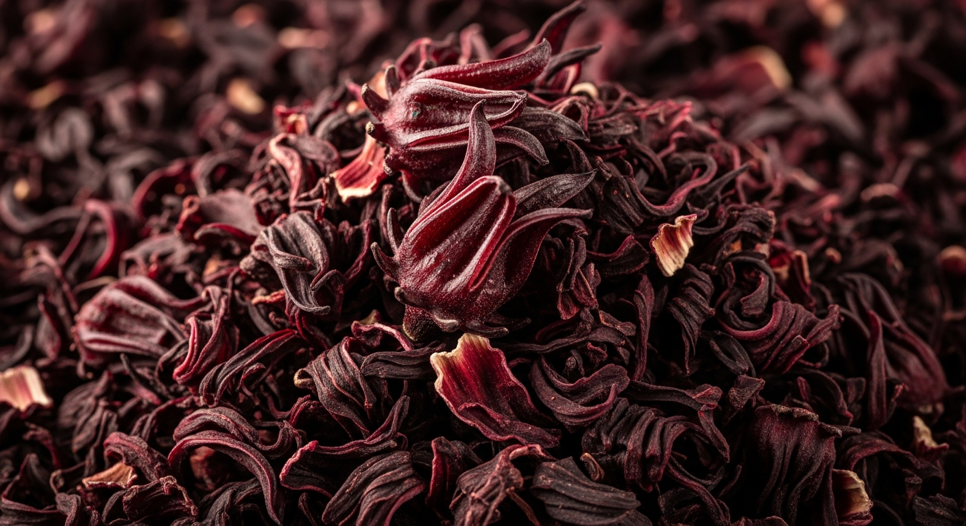
Hibiscus extract is a water-soluble concentrate obtained from the dried calyces of the Hibiscus sabdariffa plant. Behind that intense red and characteristic tartness are two complementary groups of compounds.
The color comes from anthocyanins. About 85% of total anthocyanins is delphinidin-3-sambubioside, with cyanidin-3-sambubioside in second place. The tartness comes from organic acids: citric acid, hibiscus acid and malic acid are responsible for the extract's low pH and refreshing taste. So hibiscus solves two technical jobs at once in a single raw material: both a natural colorant and a natural source of acidity.
A Natural Answer to Synthetic Dye: Hibiscus in Beverages
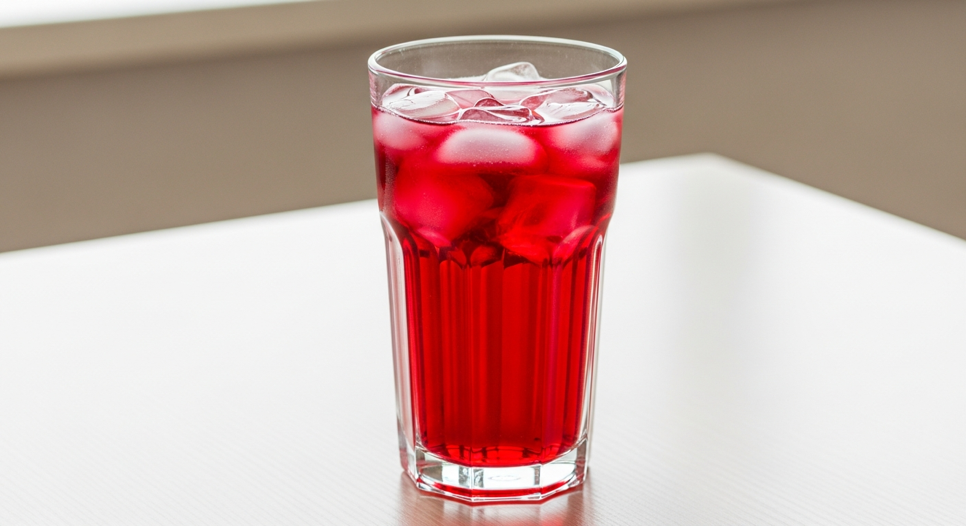
Hibiscus is a familiar beverage plant known around the world under names like "karkade"; this makes it a safe and familiar ingredient for the beverage sector. Its real value is that anthocyanins provide color and an antioxidant contribution at the same time: that is, a dual function in a single ingredient.
| Beverage form | Purpose of use | Highlighted compound |
|---|---|---|
| Cold / ready-to-drink teas (RTD) | Natural red color + tartness | Anthocyanin, organic acid |
| Functional beverages | Antioxidant enrichment + color | Anthocyanin |
| Carbonated / flavored beverages | Natural alternative to synthetic dye | Anthocyanin |
Anthocyanins are sensitive to heat, light and especially pH. While they best preserve their red tone at low pH, that is in acidic beverages, the color can fade when the environment changes. This is taken into account and the ingredient is added during the production process.
From Beverage to Skin + Production
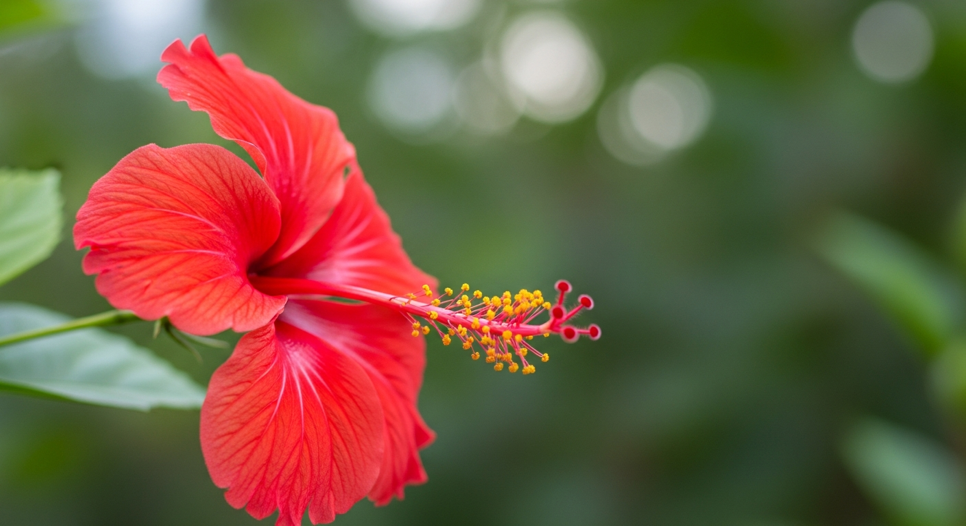
Hibiscus finds a place beyond beverages too. On the supplement side, it appears in formulas with a prominent antioxidant profile from its anthocyanin and phenolic content. In cosmetics, it is considered a naturally sourced botanical ingredient.
Frequently Asked Questions (FAQ)
Why can the color of hibiscus extract fade in a beverage?
Because the anthocyanins that provide the color are sensitive to heat, light and pH. In higher-pH (less acidic) environments the color can change. For this reason hibiscus is more compatible with acidic beverages.
Does hibiscus extract give both color and tartness?
Yes. Anthocyanins provide the red color, while organic acids provide the refreshing tartness. So two separate technical needs can be met with a single ingredient.
References
- Organic Acids from Roselle (Hibiscus sabdariffa L.): A Brief Review of Its Pharmacological Effects. Biomedicines, 2020. https://pmc.ncbi.nlm.nih.gov/articles/PMC7277581/
- Research on optimization of spray drying conditions of anthocyanins extracted from Hibiscus sabdariffa L. flower. PMC, 2024. https://pmc.ncbi.nlm.nih.gov/articles/PMC10916676/


