

How Should French Lavender Extract Be Evaluated in Cosmetic Products?
Botanical extracts offer a range of raw material options for cosmetic formulations. French lavender extract is one of the raw materials that product developers who want to include botanical ingredients can consider. Its suitability in a formula should be determined according to the production method, solvent system and technical properties of the extract.
Getting to Know French Lavender Extract
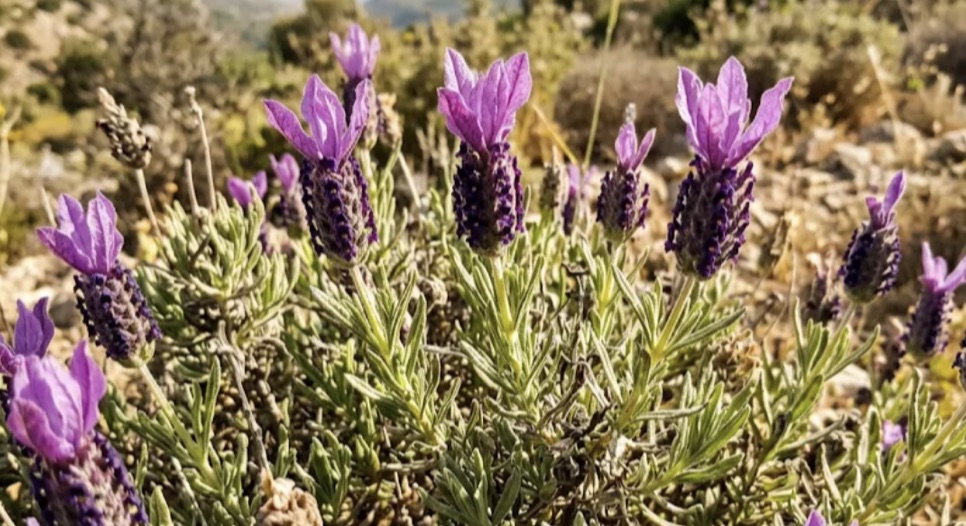
The name French lavender (karabaş otu in Turkish) is mostly associated with the species Lavandula stoechas. In Kew’s Plants of the World Online database, this name is listed as the accepted scientific name. However, the common plant name alone should not be relied on when selecting a raw material; the botanical name and the plant part used should be verified from the supplier’s documents.
The properties of the extract can vary depending on the plant part used, the production method, the solvent system and the carrier components. For this reason, it should not be assumed that French lavender extracts obtained from different suppliers have the same properties.
In Which Cosmetic Products Can It Be Considered?
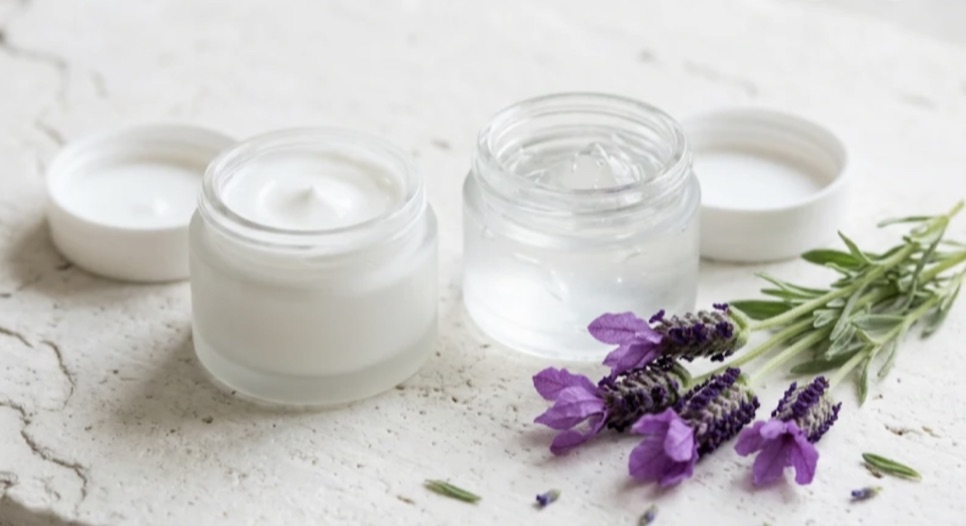
Where the technical properties of the extract and its compatibility with the formula allow, its use can be considered in cosmetic products such as creams, lotions, gels or serums. Which product form is suitable should be determined by examining the solubility of the raw material, its carrier system and its compatibility with the other ingredients in the formula.
French lavender extract is not the same raw material as French lavender essential oil or hydrosol. Since their production methods and compositions may differ, the type of product to be added to the formulation should be checked against the technical documents.
What Should Be Considered When Developing a Formulation?
When developing a formula containing French lavender extract, the following properties can be evaluated:
- The colour, odour and physical form of the extract
- Solubility and compatibility with the ingredients in the formula
- The pH value and stability of the formula
- Compatibility with the preservative system
- Interaction with packaging and storage conditions
The usage level should not be determined by the plant name alone. The technical data of the raw material, the target product and the final formulation should be evaluated together. Pilot production and appropriate stability checks help in examining how the extract behaves within the product.
Technical Documents Support Raw Material Selection
During product development, information such as the botanical name, the plant part used, the extraction method, the solvent system and the carriers should be reviewed. The certificate of analysis and other technical documents also help in understanding the properties of the raw material and assessing its suitability for the formulation.
When its technical properties are suitable, French lavender extract can be considered in botanical cosmetic product work. Correct use is determined by knowing the supplied raw material and testing it within the final formula.
To get technical information about French lavender extract and evaluate it in your product development work, you can contact Greenext.


