

How Is Rose Extract Evaluated in Cosmetic Products?
Rose appears in cosmetic products in the form of different raw material types. Rose extract is also one of the options that manufacturers wishing to include botanical ingredients can evaluate. However, the expression “rose extract” does not explain all the properties of the product; for correct use, the botanical name of the raw material, the plant part used and the production method should be examined.
Getting to Know the Properties of Rose Extract

Cosmetic raw materials may include different rose derivatives such as Rosa damascena flower extract. In the COSMILE Europe database, the ingredient registered under this name is defined as an extract obtained from the flower part of the plant. When selecting the raw material, it is important to verify the botanical name and the plant part used in the supplier's documents.
The properties of the extract may vary depending on the plant species, the part used, the extraction method, the solvent system and the carrier components. For this reason, different products should not be considered the same based solely on the name “rose extract”.
In Which Products Can Rose Extract Be Evaluated?
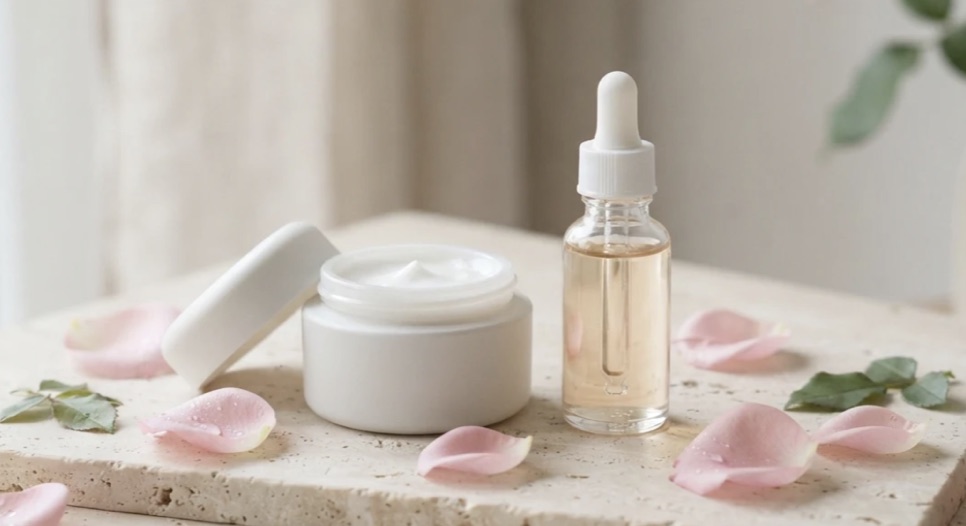
Suitability for use depends on the extract's solubility, its carrier system and its compatibility with the target formula. When its technical properties allow, it can be evaluated in cosmetic products such as creams, lotions, gels or serums.
During formula development, the extract's effect on the product should be examined in terms of colour, odour, appearance, pH, stability and compatibility with the preservative system. The usage amount should also be determined not only by the plant name but by taking into account the raw material documents and the properties of the final product.
Rose Extract, Rose Water and Rose Oil Are Not the Same Product
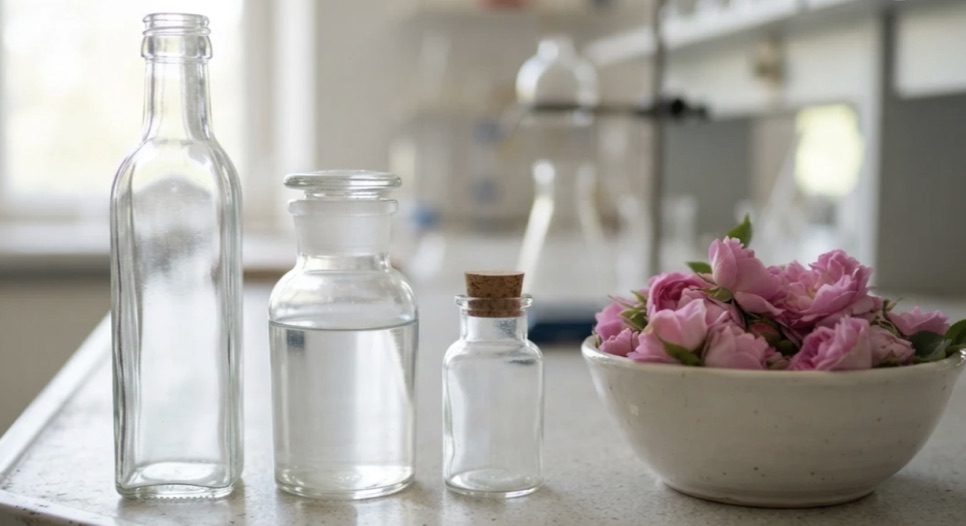
Rose extract, rose water and rose oil are raw materials obtained through different production processes. For example, Rosa damascena flower water and Rosa damascena extract are listed under separate ingredient names in the cosmetic ingredient database. The compositions of these products and the way they are used in formulations may not be the same. During product development, the type and technical documents of the raw material to be used should be clearly checked.
What to Look for When Selecting the Raw Material?
Manufacturers evaluating rose extract can examine the following information:
- Botanical name and plant part used
- Extraction method and solvent system
- Carrier components and physical form
- Certificate of analysis and technical documents
- Storage conditions and batch information
- Compatibility with the components in the target formula
Informed Formulation with Rose Extract
When its technical properties are suitable, rose extract can be included in botanical cosmetic product work. The appropriate area of use is determined by examining the properties of the raw material and evaluating the extract within the intended final formula.
To receive technical information about rose extract and evaluate it in your product development work, you can contact Greenext.


