

Licorice Root Hydrosol: The Sweet Water of Skin Tone Care
That sweetish root we know from sherbet, why is it counted among the star ingredients of cosmetic products that claim to even out skin tone? And what is the way to carry this cosmetic character of licorice in a water-based, gentle form? The answer lies in licorice root hydrosol: an aromatic water that comes out of distillation, light and directly usable.
From Root to Water: What Is Licorice Root Hydrosol?
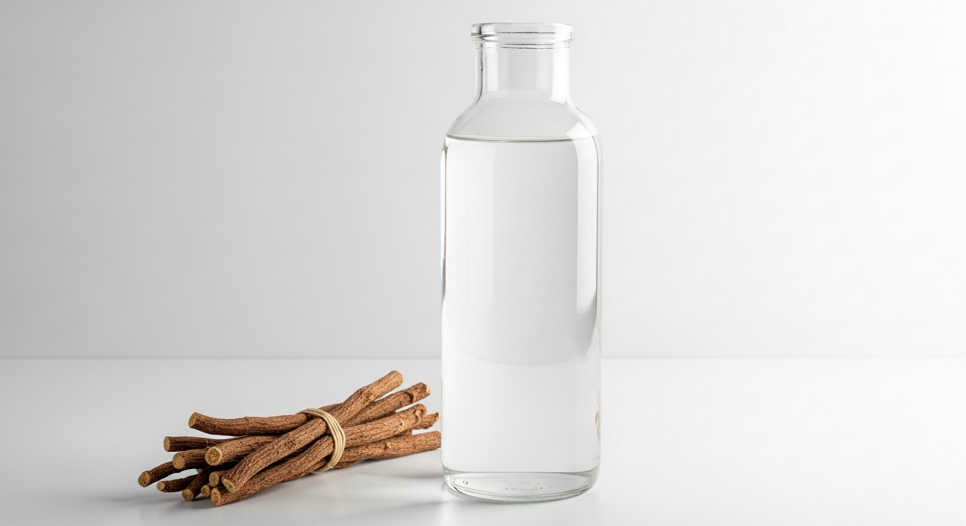
Licorice root hydrosol (hydrolate) is the aromatic water phase that forms during the steam distillation of the roots of the Glycyrrhiza glabra plant. The steam carries along the water-soluble components of the root; once it condenses, a lightly sweet-scented water remains. Licorice hydrosol is the name given to this water phase.
Licorice root is known in the cosmetic world especially for skin tone care. The best-known component behind this is glabridin; studies examine glabridin for its effect on the tyrosinase enzyme, which plays a central role in the production of colour (melanin) in the skin, and for its skin-brightening properties. But a technical distinction matters here: components such as glabridin are fat-soluble and are concentrated more in licorice extract. The hydrosol, on the other hand, carries not the plant's concentrated isolate but its water-soluble, gentle aromatic fraction. In other words, it offers licorice's known cosmetic character to the formulation in a much lighter, water-based form. So must a plant's cosmetic reputation always be sought in its most concentrated isolate?
In Tone-Oriented Care: Licorice Hydrosol in Cosmetics
The place of licorice hydrosol in cosmetics is shaped by the plant's deep-rooted bond with skin tone care and by its gentle water structure. Because it is water-based, it can be added directly to products built on a water phase, such as facial toners, facial mists, masks and serums. Its sweetish, light aromatic character is evaluated as a supporting water phase in formulations that promise tone evenness.
| Application area | Form of use | Key feature |
|---|---|---|
| Skin tone care | Facial toner, serum water phase | Water-based, gentle aromatic water |
| Mask and mist | Facial mist, mask | Sweetish profile specific to licorice |
| General skin care | Refreshing toner | Light, directly applicable |
Here is the interesting part: glabridin, licorice's most powerful cosmetic component, is fat-soluble and is present in the hydrosol only at trace levels. So why should the hydrosol be preferred? Because the point is not to replace the extract; it is to carry the licorice character into the formulation as a gentle, water-based and directly applicable water phase. Those who want a concentrated effect turn to the extract, and those who want a light, water-based carrier turn to the hydrosol.
From Root to Product: Production and Standardisation
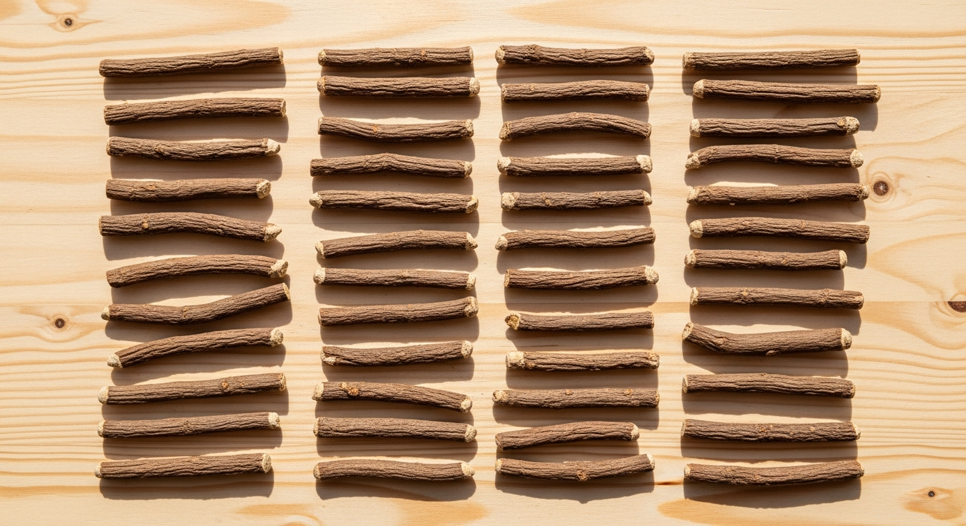
The composition of the hydrosol that comes from the root varies depending on the soil where the licorice grows, the harvest season and the distillation conditions. A brand capturing the same sweetish profile in every bottle depends on bringing this variability under control. Standardisation provides this: fixed distillation parameters and batch-by-batch repeated control of scent and components. Greenext also produces its licorice hydrosol with this discipline, so that the water phase enters the formulation predictably every time.
Frequently Asked Questions (FAQ)
Are licorice root hydrosol and licorice extract the same thing?
No. The extract is a much more concentrated isolate in terms of fat-soluble components such as glabridin; the hydrosol is the diluted water phase that comes out of distillation, carrying the water-soluble aromatic compounds. A concentrated effect on skin tone is associated with the extract, while light, water-based use is associated with the hydrosol.
Does licorice hydrosol brighten the skin on its own?
Glabridin, the component of licorice associated with skin tone, is fat-soluble and is found more in the extract. In this context the hydrosol is evaluated as a gentle, water-based aromatic water; it is treated as a component that supports the formulation, not as a definite promise of result.
In which products is licorice hydrosol used?
Due to its water-based structure, it is evaluated in cosmetic products built on a water phase, such as facial toners, facial mists, masks and serums.
References
- Phytochemistry and Biological Properties of Glabridin. Fitoterapia, 2013. https://pmc.ncbi.nlm.nih.gov/articles/PMC3795865/
- Glycyrrhiza glabra (Licorice): A Comprehensive Review on Its Phytochemistry, Biological Activities, Clinical Evidence and Toxicology. Plants (Basel), 2021. https://pmc.ncbi.nlm.nih.gov/articles/PMC8703329/


