

Matcha Extract: What Makes a Tea This Green?
Why does matcha have a far more intense green and a much stronger character than ordinary green tea? The secret begins in the field, before the tea is even harvested. Matcha extract, which turns this intensity into a standard and practical ingredient, is a botanical ingredient that appears in many products from beverages to dietary supplements.
A Green Grown in the Shade: What Is Matcha Extract?
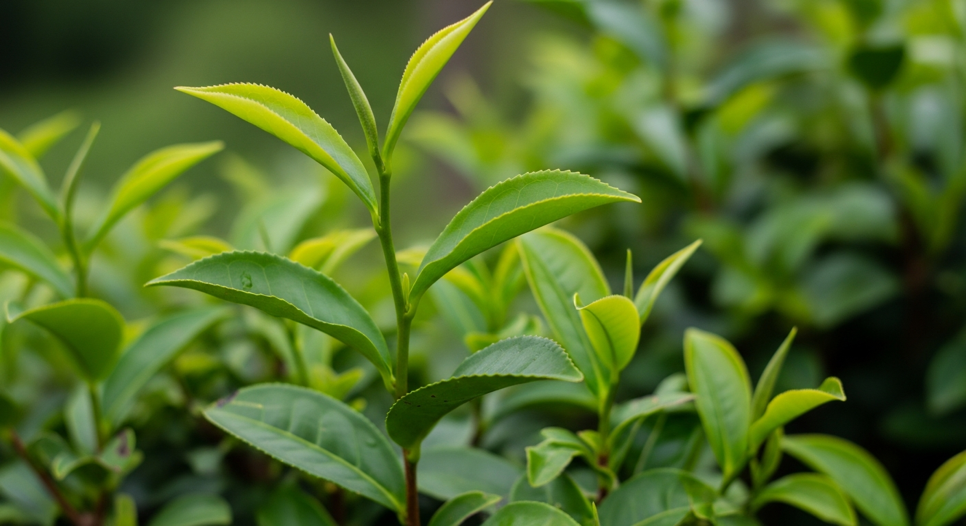
Matcha is obtained from the leaves of the Camellia sinensis plant, grown under shade before harvest. There is the secret of that "extra green" look: in low light the plant accumulates more chlorophyll, L-theanine and other active compounds. Matcha extract is the standardized form of this rich profile, easy to add to a beverage.
To sum up its compounds briefly: chlorophyll provides the vivid green, L-theanine contributes to the soft taste profile, caffeine provides the stimulating side, and catechins form the antioxidant profile. The best known of these catechins is EGCG. In a measured study, culinary-grade matcha was found to contain an average of 50.53 mg/g and ceremonial-grade matcha 56.57 mg/g of EGCG. So the quality grade of matcha is reflected directly in its content.
Beyond the Latte: Matcha in Beverages
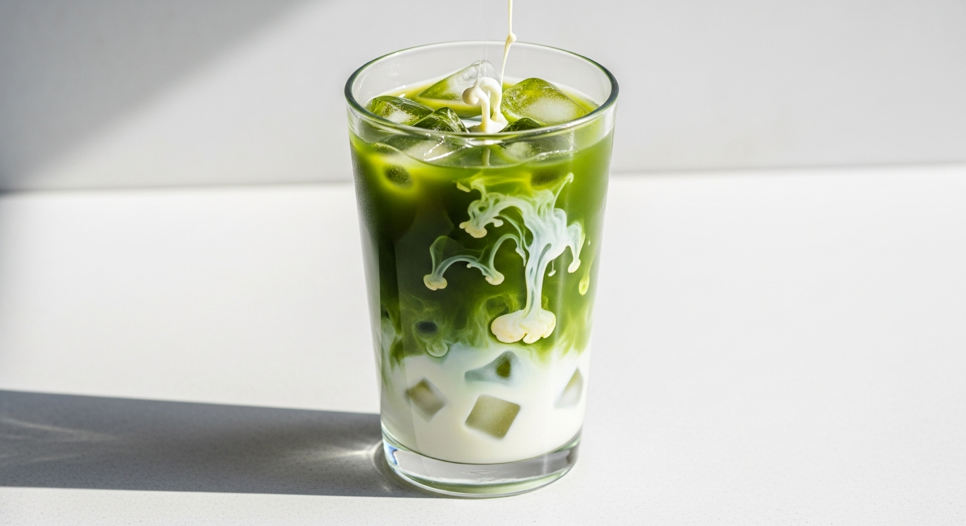
Matcha is one of the fastest-growing ingredients in the beverage sector in recent years. Its value in extract form comes from combining several jobs in a single product: natural green color, a distinctive taste and antioxidant content.
| Beverage form | Purpose of use | Highlighted compound |
|---|---|---|
| Matcha latte / milk beverage | Color + characteristic taste | Chlorophyll, L-theanine |
| Cold / ready-to-drink green tea (RTD) | Natural green + antioxidant | Chlorophyll, catechins |
| Functional beverages | L-theanine and caffeine together | L-theanine, caffeine |
There is a detail that makes matcha interesting: it naturally contains both L-theanine and caffeine. Research shows that these two compounds, when taken together, have been studied for a more pronounced effect on concentration and attention than either alone.
Outside the Cup: Supplements, Cosmetics and Production
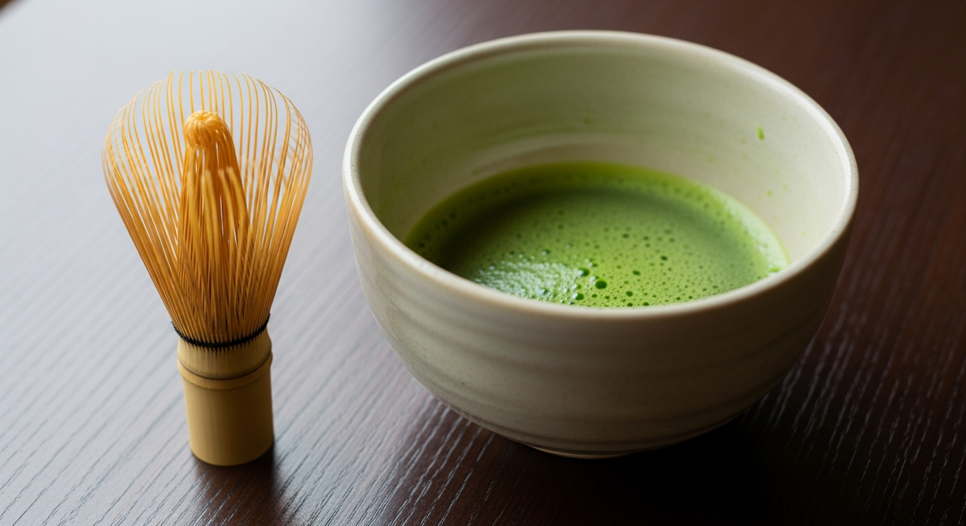
Matcha's value is not limited to the cup. On the supplement side, it is one of the core ingredients of green tea extract products with a prominent antioxidant profile from their high catechin content. In cosmetics, green tea finds a place in formulas as a natural antioxidant ingredient.
Frequently Asked Questions (FAQ)
What is the difference between matcha and ordinary green tea?
In traditional green tea the leaf is steeped and strained; in matcha the whole shade-grown leaf is used as a fine powder. For this reason matcha is far more concentrated in chlorophyll, L-theanine and catechins.
Is ceremonial or culinary matcha used?
It depends on the purpose. Ceremonial matcha offers higher EGCG and color intensity; culinary matcha is a more economical option for beverage and food applications.
References
- Health Benefits and Chemical Composition of Matcha Green Tea: A Review. Molecules, 2021. https://pmc.ncbi.nlm.nih.gov/articles/PMC7796401/
- Catechin Composition, Phenolic Content, and Antioxidant Properties of Commercially-Available Green Teas. Antioxidants, 2023. https://pmc.ncbi.nlm.nih.gov/articles/PMC10665233/


