

Olive Leaf Extract: Is the Real Treasure in the Leaf?
Everyone knows olive oil. But did you know that the olive tree's richest polyphenol store is actually not in its fruit, but in its leaves, which are often pruned and discarded? The concentrated form of this leaf, olive leaf extract, is an antioxidant-rich botanical ingredient drawing interest from many sectors, from dietary supplements to cosmetics.
More in the Leaf Than the Fruit: What Is Olive Leaf Extract?
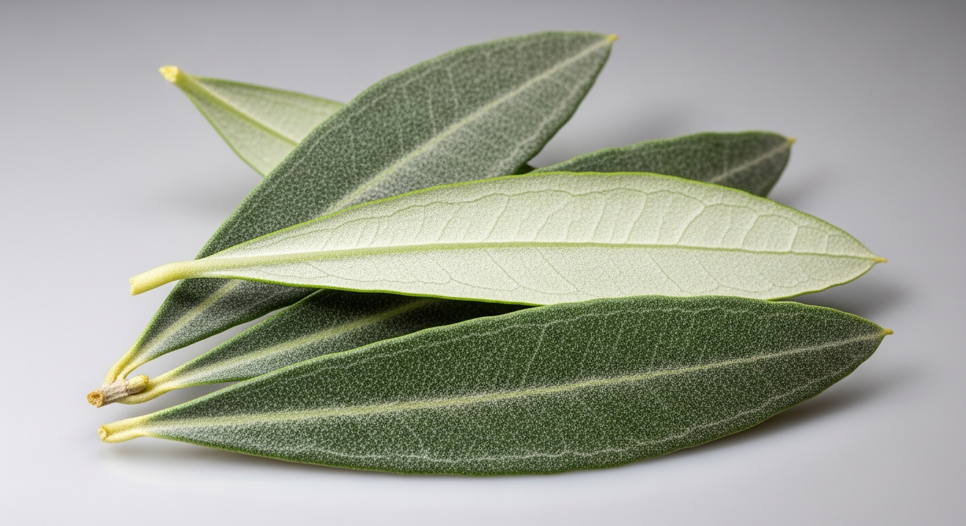
Olive leaf extract is a polyphenol-rich concentrate obtained from the leaves of the Olea europaea tree. It owes its technical value to the compounds it carries, above all oleuropein.
Oleuropein, the leaf's dominant phenolic compound, has been measured at between 21.0 and 98.0 mg/g in the extract; even this range shows how much it varies with cultivar and harvest. Alongside it come the strong antioxidant hydroxytyrosol and luteolin-derived flavonoids. The result is something that brings different sectors onto common ground: a naturally sourced, antioxidant compound. The Mediterranean's thousands-of-years-old olive leaf tea tradition had in fact discovered this profile long ago.
From Tea to Capsule: Areas of Use
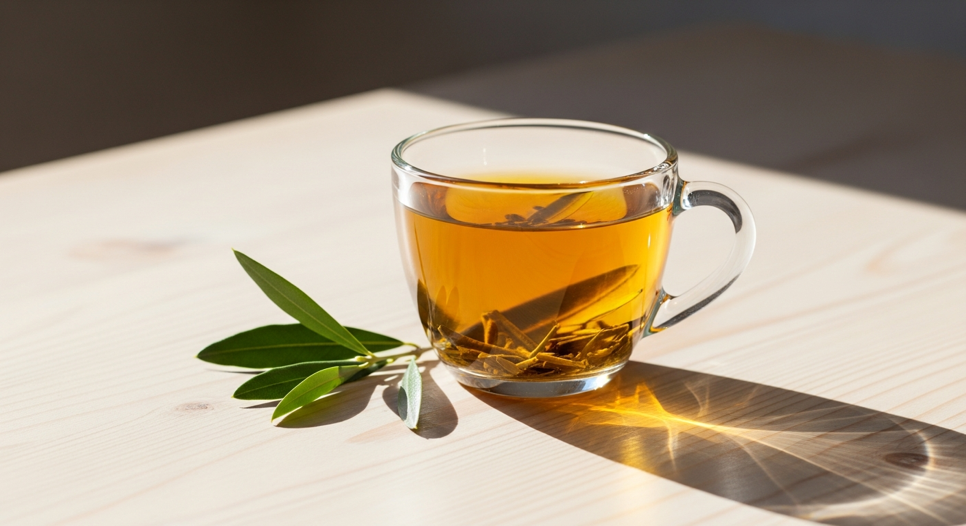
Olive leaf is a familiar plant brewed as tea for thousands of years in the Mediterranean; this makes it a safe and accepted ingredient for beverage applications. Its use in extract form is far broader.
| Sector | Form of use | Highlighted compound |
|---|---|---|
| Beverage | Olive leaf tea, functional infusion | Oleuropein |
| Dietary supplement | Tablet and liquid extract | Oleuropein, hydroxytyrosol |
| Cosmetics | Skin care formulations | Hydroxytyrosol, polyphenols |
There is a point worth dwelling on here. The tons of leaves that emerge during olive harvest and pruning are often seen as worthless waste. Yet the tree's most valuable polyphenols are hidden in that very part considered "useless". So how does a by-product turn into a high value-added raw material? The answer is in proper processing: extraction and standardization turn the leaf, considered waste, into a consistent ingredient.
Production and Standardization
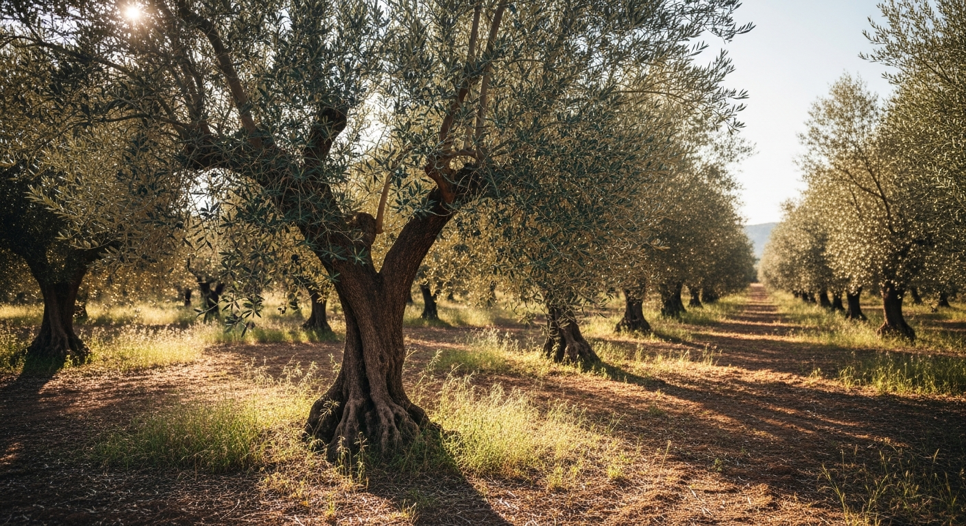
The aim in producing olive leaf extract is to efficiently extract oleuropein and other polyphenols and bring them into a stable form.
Because the leaf's polyphenol content varies markedly with cultivar, climate and harvest time, this standardization step is critical. This is why, in olive leaf, the real added value lies in the standardization that reduces the leaf, considered waste, to the same oleuropein profile in every batch; Greenext's production approach focuses exactly here, on making nature's variability predictable.
Frequently Asked Questions (FAQ)
Why is olive leaf consumed as tea?
In the Mediterranean, olive leaf is traditionally brewed as tea. The reason is the leaf's high polyphenol content, especially oleuropein; the same profile is today also used in extract form.
What is the most important compound of olive leaf extract?
The dominant compound is oleuropein; it largely determines the leaf's characteristic polyphenol profile and antioxidant property. Hydroxytyrosol and luteolin derivatives are also present.
References
- Genotype-Related Differences in the Phenolic Compound Profile and Antioxidant Activity of Extracts from Olive (Olea europaea L.) Leaves. Antioxidants, 2019. https://pmc.ncbi.nlm.nih.gov/articles/PMC6471253/
- Valorizing the usage of olive leaves, bioactive compounds, biological activities, and food applications: A comprehensive review. Frontiers in Nutrition, 2022. https://pmc.ncbi.nlm.nih.gov/articles/PMC9678927/


