

Rosemary Leaf Extract: An Industrial Antioxidant From a Mediterranean Shrub
That sharp-scented Mediterranean shrub we know from the kitchen somehow shows up at the same time in sectors as far apart as shampoo and dog food. How? The answer lies in the natural compound profile the rosemary leaf carries.
From Leaf to Extract: What Is Rosemary Leaf Extract?
.png)
Rosemary (Rosmarinus officinalis) is a plant native to the Mediterranean, used for centuries for its aromatic character. Rosemary leaf extract is obtained by processing leaves that are harvested in a suitable season and dried, using a chosen extraction method. There is no single recipe here: it can be produced in water-based, glycerin, ethanol, hydroglycerin, powder or oil-soluble forms. Which form is chosen depends on the sector and the target application. So what is inside this leaf that makes it so versatile?
The Natural Compounds Inside: What Makes Rosemary Valuable?
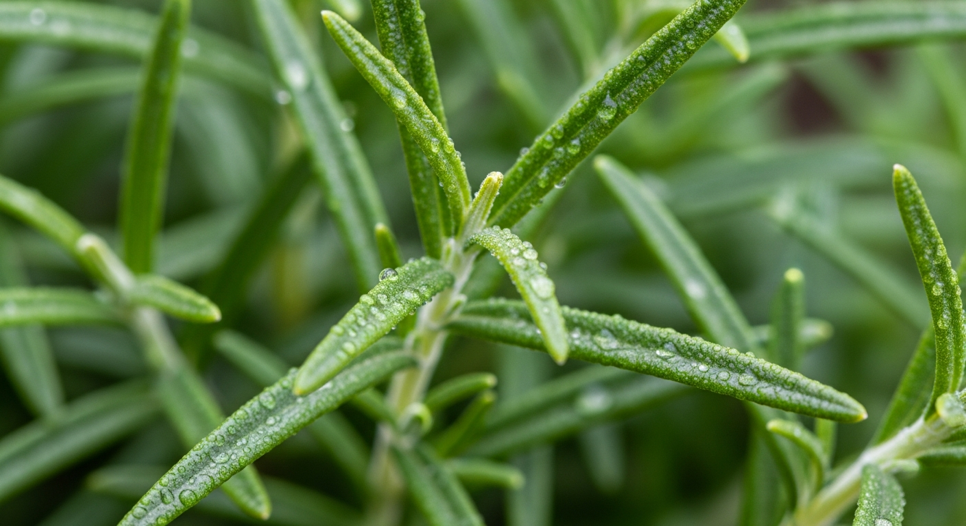
The rosemary leaf is rich in various bioactive compounds. The main ones are phenolic compounds, flavonoids, rosmarinic acid, carnosic acid, carnosol and essential oil components. One study examined the phenolic profile of a rosemary extract and identified carnosic acid as the predominant phenolic compound. This group of compounds makes rosemary a plant noted for its antioxidant properties; indeed, a review notes that rosemary extract has been evaluated as a natural option that could replace synthetic antioxidants in foods. It is this profile that makes rosemary extract a sought-after raw material in cosmetics, food and pet products alike.
| Sector | Example products | Role of the extract |
|---|---|---|
| Cosmetics | Shampoo, hair tonic, skin serum, soap | Natural botanical ingredient |
| Food | Spice blends, sauces, oil-based products | Natural antioxidant component |
| Pet | Cat and dog food, complementary feed | Natural botanical additive |
From Cosmetics to Pet Products: Where Is Rosemary Extract Used?
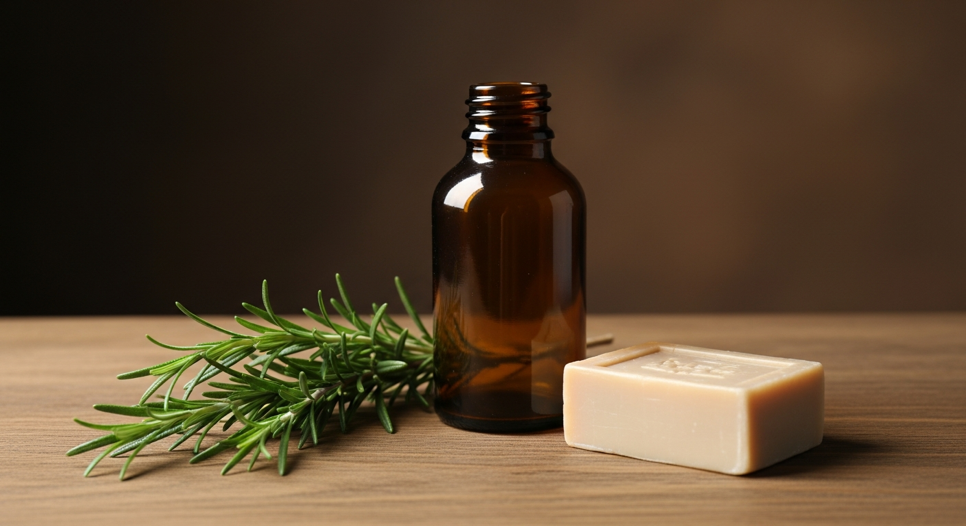
On the cosmetic side, rosemary leaf extract is used in shampoos, hair serums and tonics, hair care oils, beard care products, facial cleansing products, skin serums, creams and lotions, and soaps. On the food side it is evaluated as a natural component in spice blends, meat and meat products, oil-based products, sauces and snacks. It also finds a place in pet nutrition: cat and dog food, complementary feeds and functional pet products are among the main uses. If you are developing a feed or a sauce formulation, rosemary extract can be evaluated as a natural botanical additive. Greenext produces rosemary extract in liquid and powder form, with organic and conventional quality options, different solvent systems and standardization suited to customer demand. The use ratios are then evaluated separately according to the relevant regulation and target market.
Frequently Asked Questions (FAQ)
What compounds does rosemary leaf extract carry?
Mainly phenolic compounds, flavonoids, rosmarinic acid, carnosic acid, carnosol and essential oil components. In research, carnosic acid has been identified as the predominant phenolic compound of a rosemary extract.
In which forms is rosemary extract produced?
It can be produced in water-based, glycerin, ethanol, hydroglycerin, powder or oil-soluble forms. The form is chosen according to the target sector and application.
Is rosemary extract a medicine or a treatment product?
No. Rosemary leaf extract is a botanical raw material used in cosmetic, food and pet products. Its suitability and any permissible claims are evaluated according to the target market's regulation and the final product formulation; it is not presented as a medical product.
References
- Phytochemical Profiling of Flavonoids, Phenolic Acids, Terpenoids, and Volatile Fraction of a Rosemary (Rosmarinus officinalis L.) Extract. Molecules, 2016. https://pmc.ncbi.nlm.nih.gov/articles/PMC6273513/
- Antioxidant and Antimicrobial Properties of Rosemary (Rosmarinus officinalis, L.): A Review. Medicines (Basel), 2018. https://pmc.ncbi.nlm.nih.gov/articles/PMC6165352/


