

Use of Sage Oil in Cosmetic Products
Sage oil is an aromatic essential oil obtained from the Salvia officinalis plant. With its herbaceous, spicy and slightly camphoraceous scent profile, it can lend a characteristic note to personal care products. In cosmetic formulations, the purpose and amount of use are determined by the type of product and the intended manner of use.
Which Products Can It Be Used In?
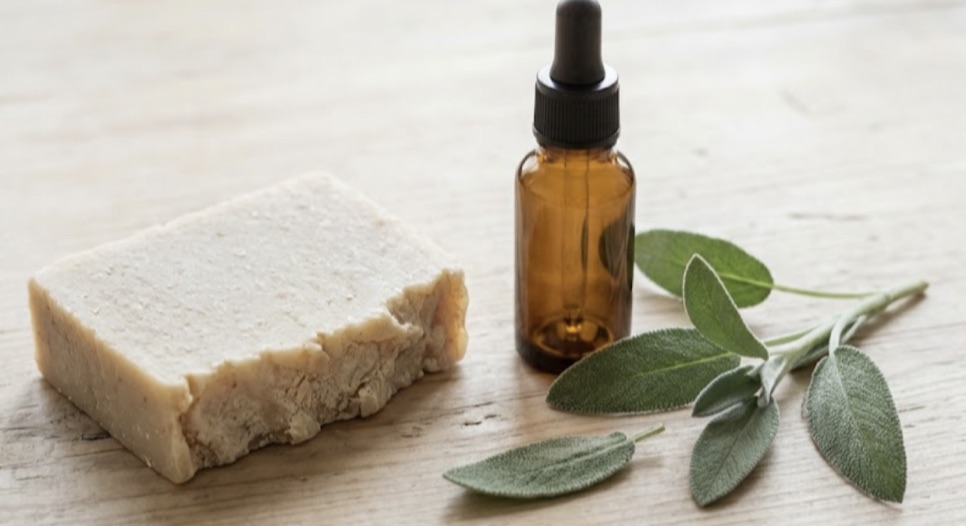
Depending on the properties of the formulation, sage essential oil can be considered for different cosmetic products. For example:
- Soap and shower products
- Shampoo and hair care products
- Body care oils
- Fragranced care products
Whether the product it will be used in is water- or oil-based, its compatibility with the other components in the formula, and whether the product will be rinsed off the skin must be taken into account.
What Should Be Watched in Formulation?
Essential oils are concentrated raw materials. For this reason they should not be added to the product formula directly and at random; the appropriate usage ratio should be determined by an assessment carried out for the final product as a whole. During formula development, the homogeneity of the product, its scent profile and its stability over time should also be checked.
The name "sage oil" can be used for different product types. For this reason, whether the raw material is Salvia officinalis essential oil or a macerate prepared in a fixed oil should be verified from its technical documents. The botanical name, the plant part used, the production method and the batch analysis documents guide the selection of the raw material.
Safety Assessment
The composition of sage essential oil can vary according to the region where the plant is grown, the harvest conditions and the production process. Since components such as thujone are also addressed in technical assessments of sage oil, the technical information of each supply batch should be examined.
The usage ratio and safety assessment of the final product should be carried out taking into account the product category, the application area, the frequency of use and the formula as a whole. The properties a raw material has on its own do not directly guarantee the same result for the finished cosmetic product.
Conclusion
Sage oil is a botanical essential oil that can be considered for cosmetic products thanks to its aromatic profile. For appropriate raw material selection, the product type and technical documents should be verified; the amount used in the formula should be determined according to the properties of the final product.


