

Soapwort Extract: A New-Generation Botanical Solution in the Food Industry with Natural Foaming and Functional Structure
In the food and beverage industry, the "clean label" trend is steering producers toward more natural, botanical and functional ingredients. One of the important components of this transformation is botanical extracts with a strong history of traditional use. One of the raw materials standing out at this point is the natural extract obtained from soapwort.
Soapwort Extract draws attention especially with its foaming, stabilization and formula-supporting properties thanks to the natural saponins it contains. The soapwort plant, traditionally used for many years across different cultures, is today regaining value as a functional auxiliary ingredient in modern food technologies.
What Is Soapwort Extract?
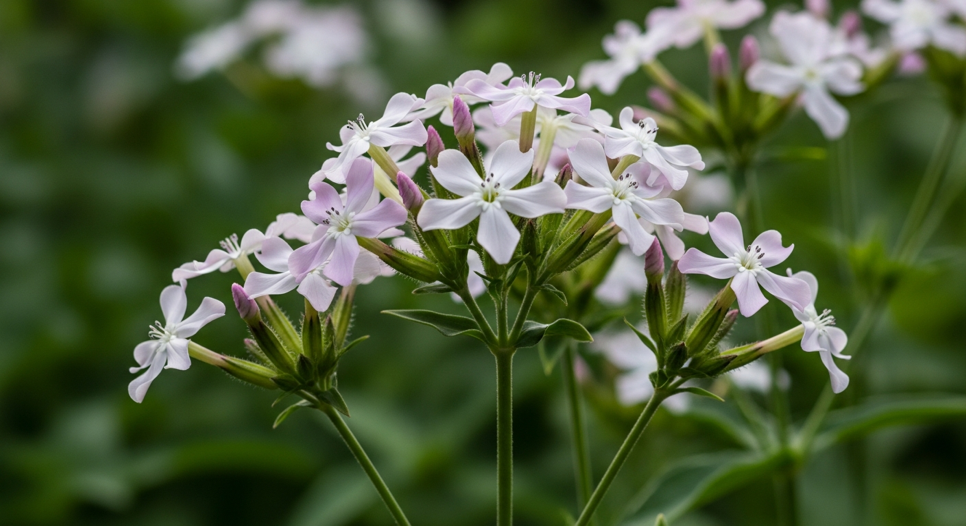
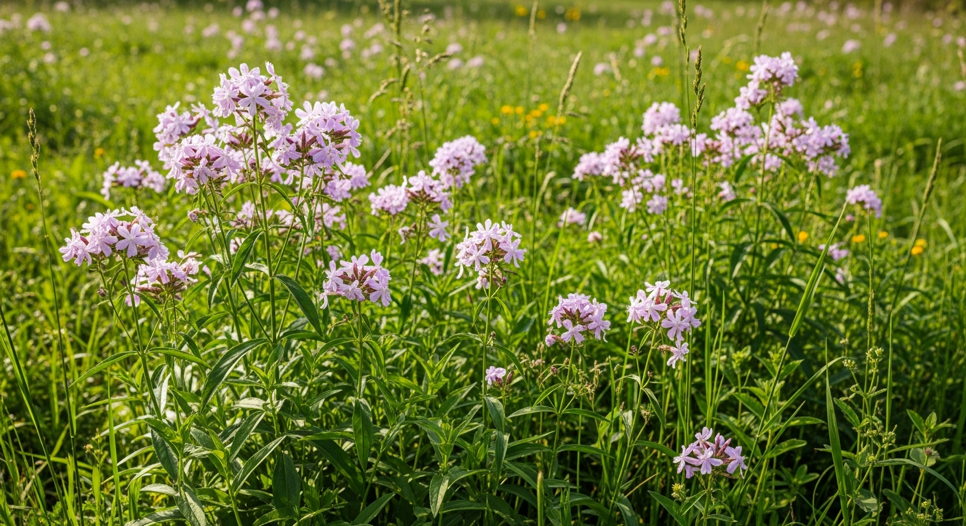
Soapwort (Saponaria officinalis) is a perennial plant that holds natural saponins in its roots and above-ground parts. These saponins have the property of forming natural foam when they come into contact with water. This property allows the extract to be used as a functional ingredient in food and beverage formulations.
The extract obtained from the plant is standardized to make it suitable for industrial use and can be integrated into different production processes.
Areas of Use in the Food Industry
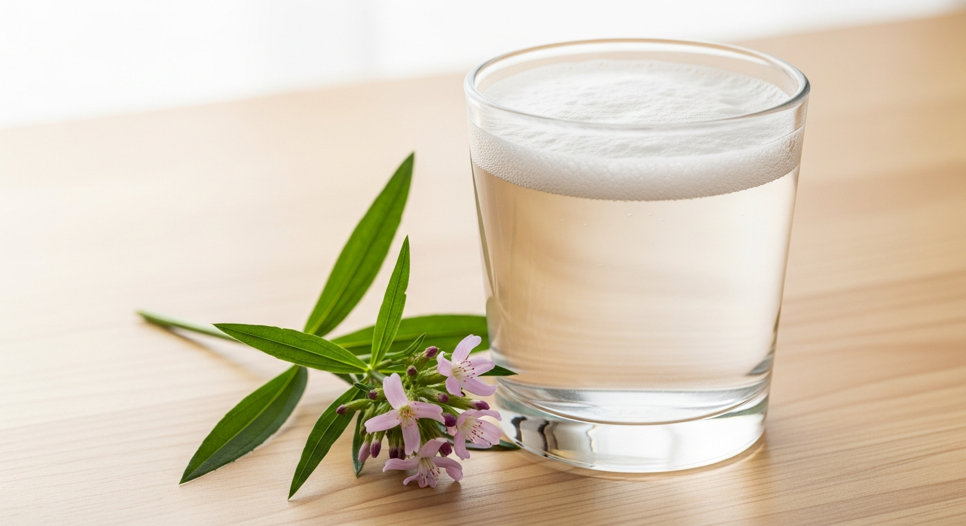
Soapwort extract is preferred especially in the following areas:
- Natural foam stabilization in beverages
- Structure-supporting component in plant-based alternative products
- Texture-improving additive in confectionery and desserts
- Formula-supporting agent in functional food products
Especially for producers developing botanical and vegan products, soapwort extract offers a natural alternative to synthetic additives.
Why Is It Preferred?
Today producers care not only about functional performance but also about ingredient transparency. In this sense soapwort extract offers several important advantages:
- Being botanical and naturally sourced
- Clean label compatibility
- Functional saponin content
- A history of traditional use
- Suitability for vegan and sustainable product development
These properties create an important competitive advantage, especially for export-oriented food producers.
Sustainable Production and Natural Ingredient Trends
Interest in botanical extracts is fed not only by consumer trends but also by sustainable production policies. Processing natural resources in a controlled way both reduces environmental impact and increases product reliability.
Soapwort extract, too, when produced with the right agriculture and extraction techniques, is a valuable raw material that contributes to a sustainable supply chain.
Conclusion
Soapwort extract is a functional raw material that combines traditional botanical knowledge with modern food technology. Thanks to its natural foaming property, clean label compatibility and versatile areas of use, it is increasingly preferred in the food and beverage sector.
For producers seeking solutions that offer naturalness and functionality at the same time, soapwort extract continues to be a strong alternative.


