

Get to Know Yarrow Extract More Closely
Botanical raw materials offer different ingredient options for cosmetic formulations. Yarrow extract is one of the raw materials that can be examined by manufacturers wanting to consider plant-derived constituents in their products. However, knowing an extract does not consist only of knowing the name of the plant; the plant part used and the production method also help in understanding the properties of the product.
Which Plant Is Yarrow?
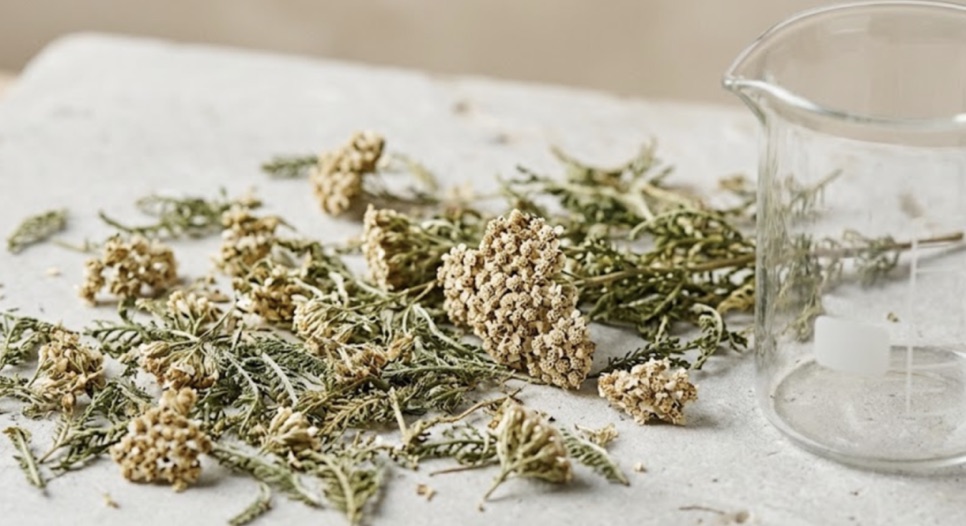
The name yarrow is commonly associated with the species Achillea millefolium. This scientific name appears as the accepted species name in Kew's plant database.
Which plant and which plant part the extract is obtained from should be checked from the supplier's documents. Because the name "yarrow extract" on its own does not explain all the technical properties of the product.
What Determines the Properties of the Extract?
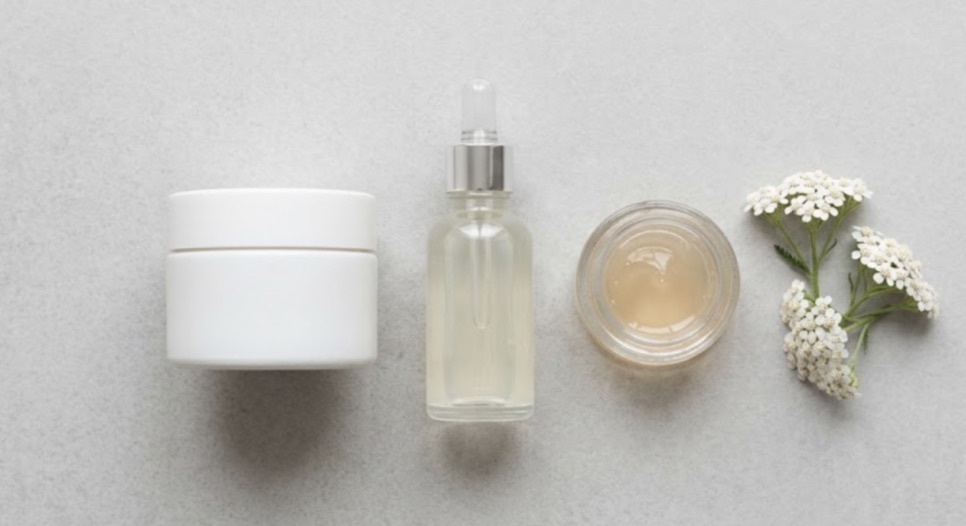
The properties of a plant extract may vary according to the plant part used, the extraction method and the solvent system. These elements can affect the physical form of the extract and its suitability for use in different formulations. For this reason it should not be assumed that yarrow extracts obtained from different suppliers have the same properties.
The following information gives guidance when assessing the raw material:
- Botanical name and the plant part used
- Production method and solvent system
- Carrier constituents and physical form
- Certificate of analysis and technical documents
- Compatibility of the product within the formula
How Can It Be Considered in Cosmetic Products?
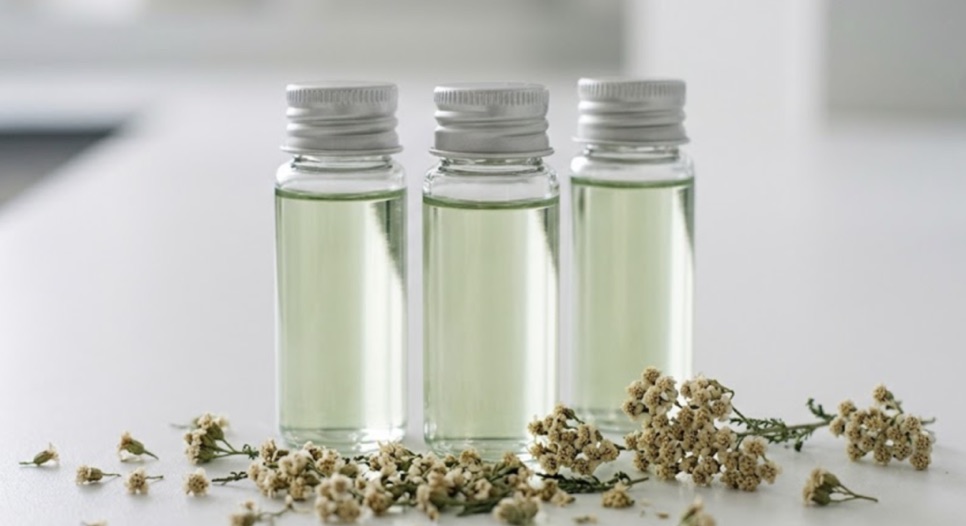
Depending on the technical properties of the extract, its use in cosmetic formulations such as creams, lotions, gels or serums can be considered. Which product form is suitable should be determined according to the solubility of the extract, its carrier system and its compatibility with the other constituents in the formula.
During product development, checking properties such as appearance, odour, pH, stability and compatibility with the preservative system supports formulation decisions. Publications on the assessment of yarrow species as a cosmetic ingredient also point to botanical raw materials being handled with the properties of the product taken into account.
Knowing the Raw Material Is the First Step in Building the Formula Correctly
The fact that yarrow extract is of plant origin does not mean it can be used in the same way in every formula. The use level and its place in the formula should be determined by assessing the technical information of the raw material together with the properties of the final product.
Yarrow extract can be an option for manufacturers wanting to consider botanical raw materials in their cosmetic products. The right starting point is to examine the raw material documents and to test the extract within the targeted formulation.
You can contact Greenext for technical information about yarrow extract and to consider it in your product development work.


